


Frequently asked questions

How to avoid nipple confusion?


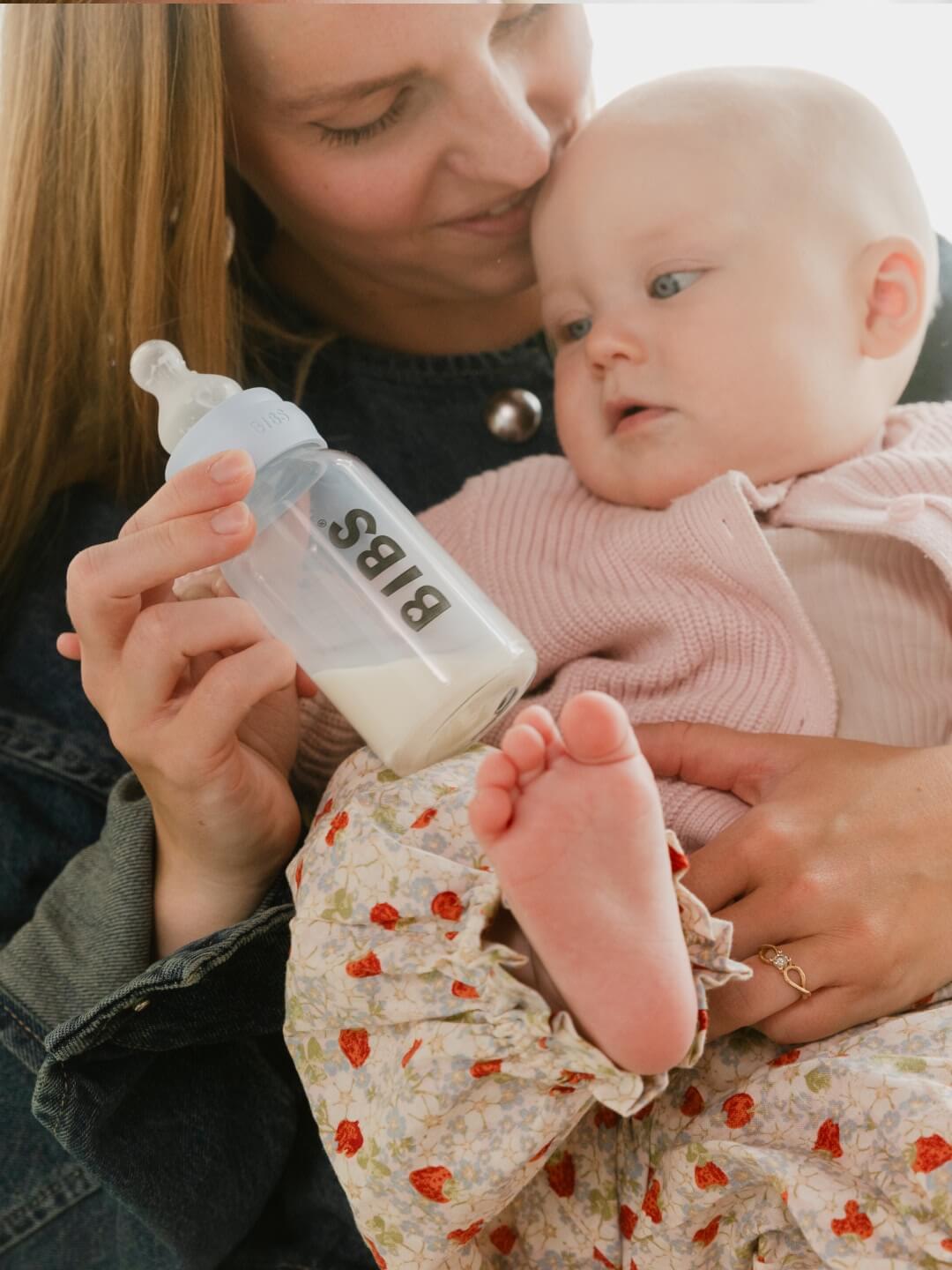
“Nipple confusion” describes difficulty switching between breastfeeding, bottle feeding, and pacifier use.

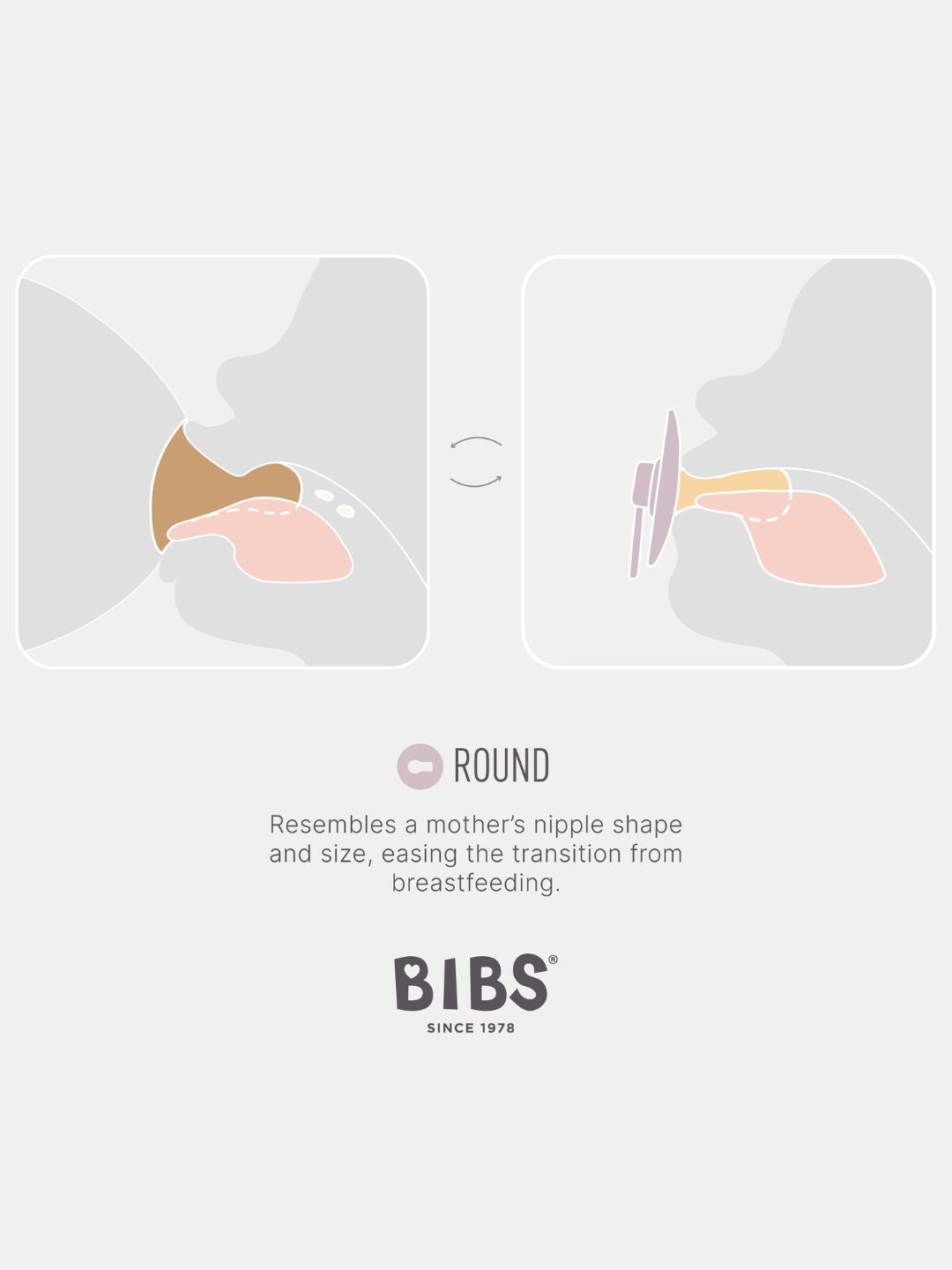
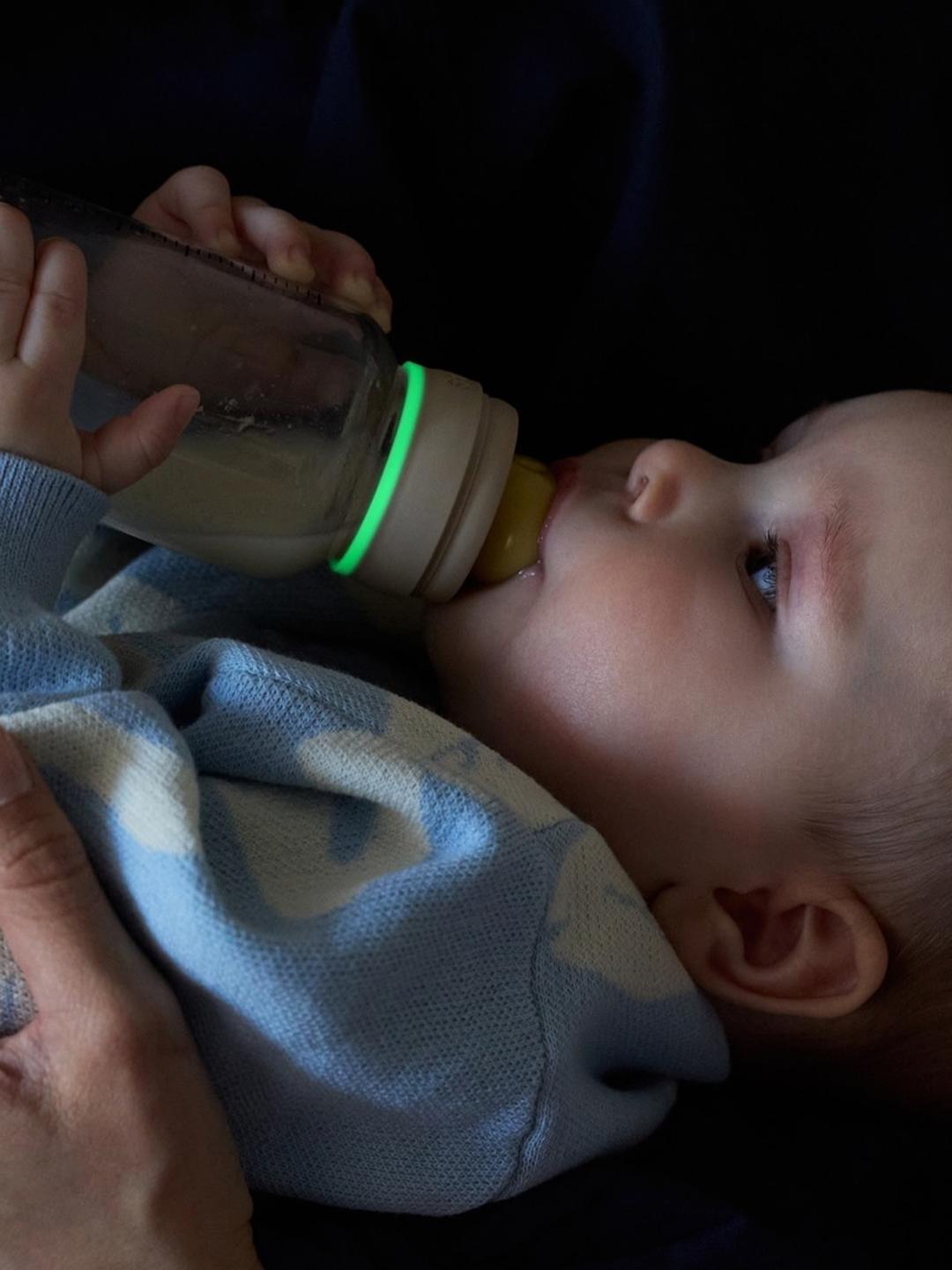
Breastfeeding requires babies to coordinate sucking, swallowing, breathing, and resting to control milk flow. With a bottle, milk often flows more easily and steadily. Some babies may therefore prefer bottle feeding or struggle to latch when the bottle or pacifier nipple feels unfamiliar.

Tips for easier transitions:

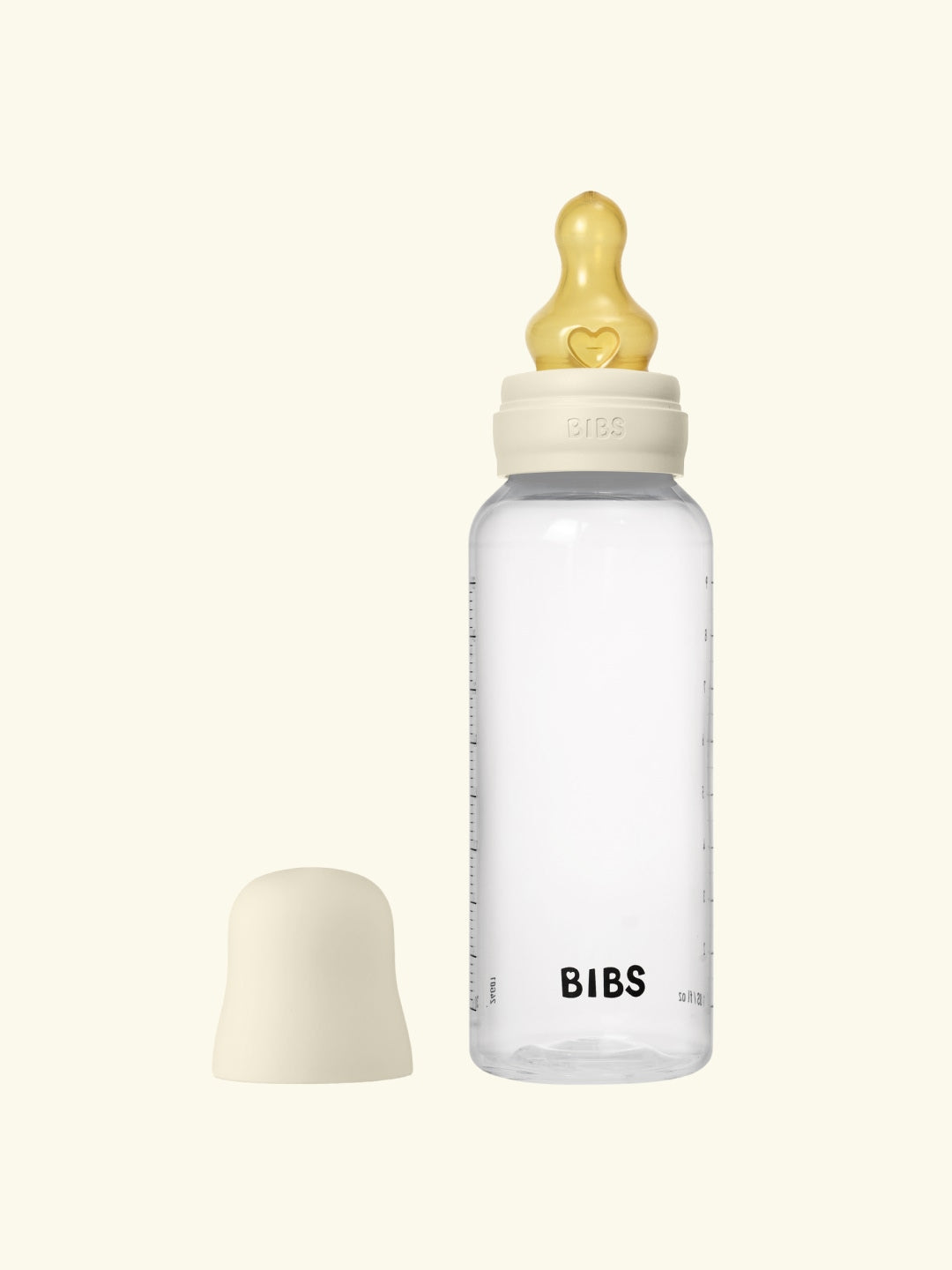
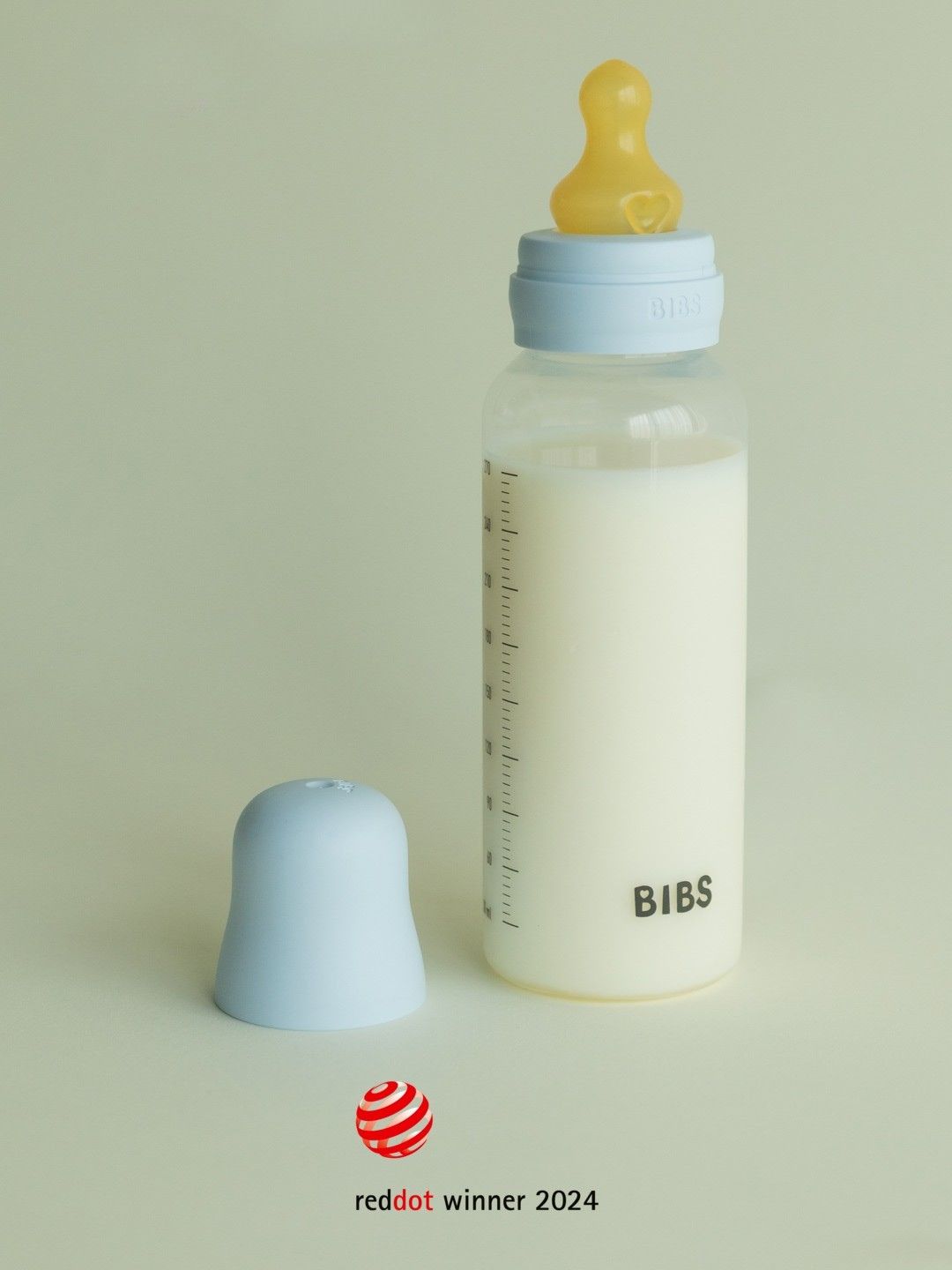
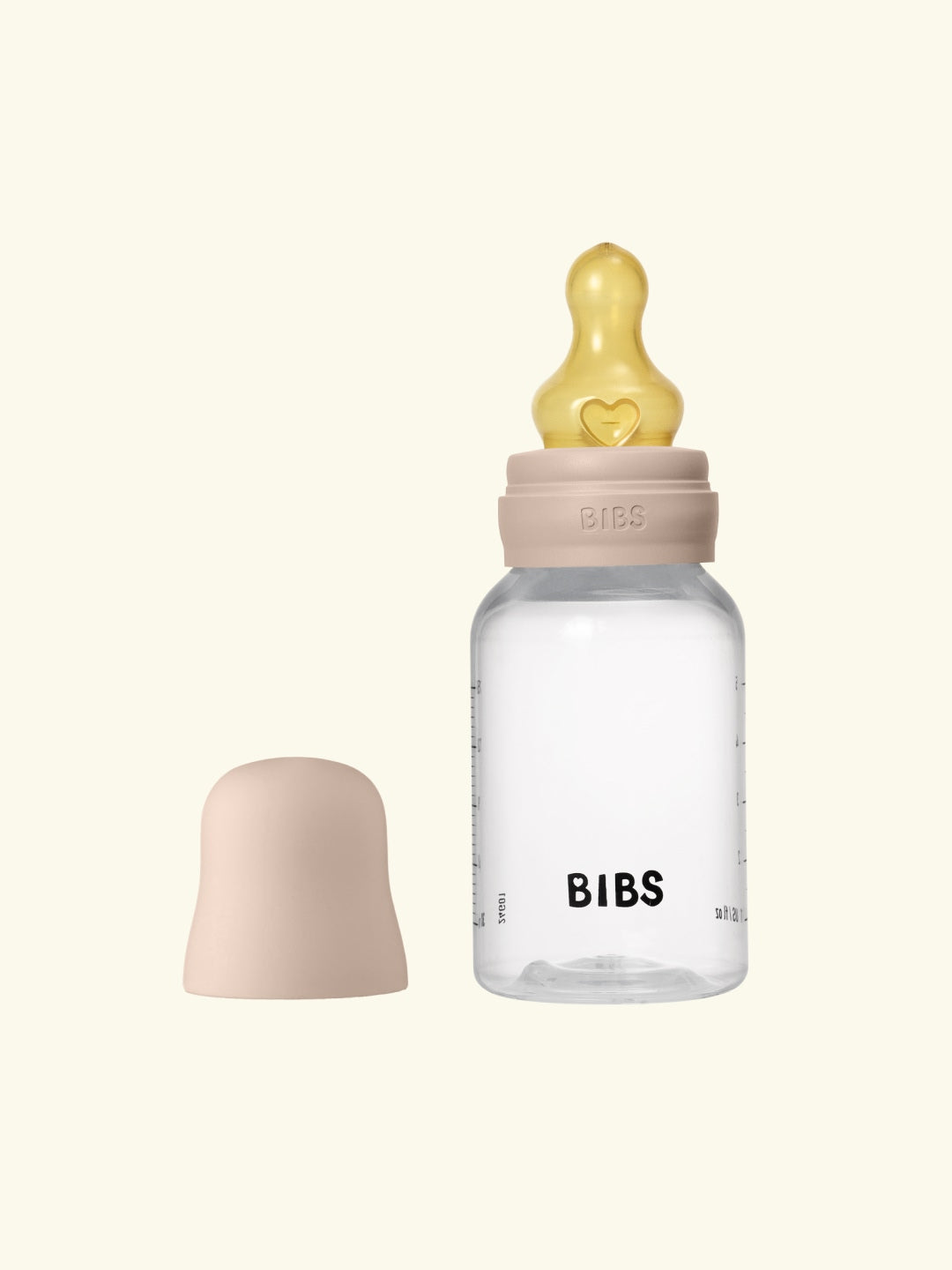
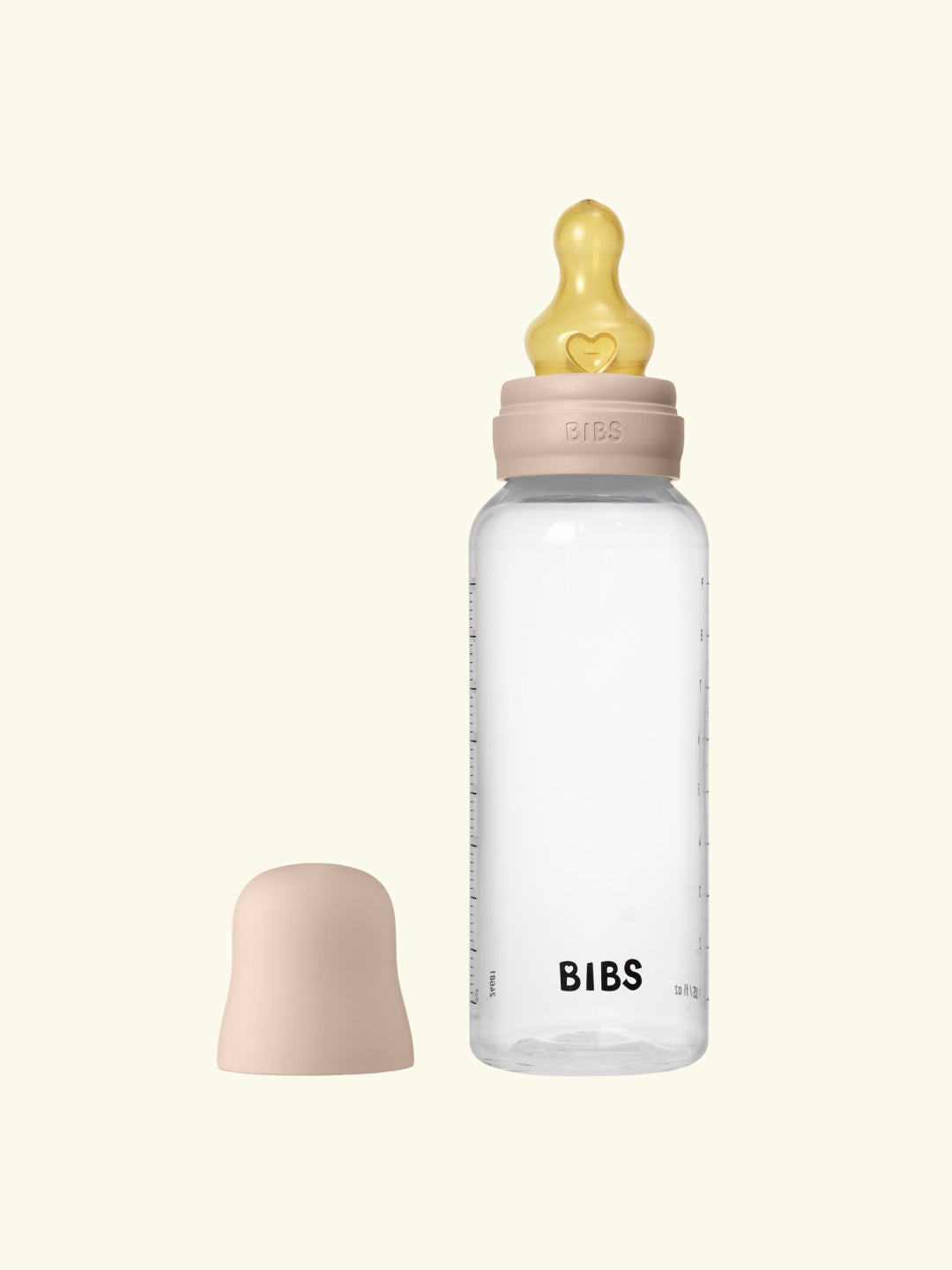
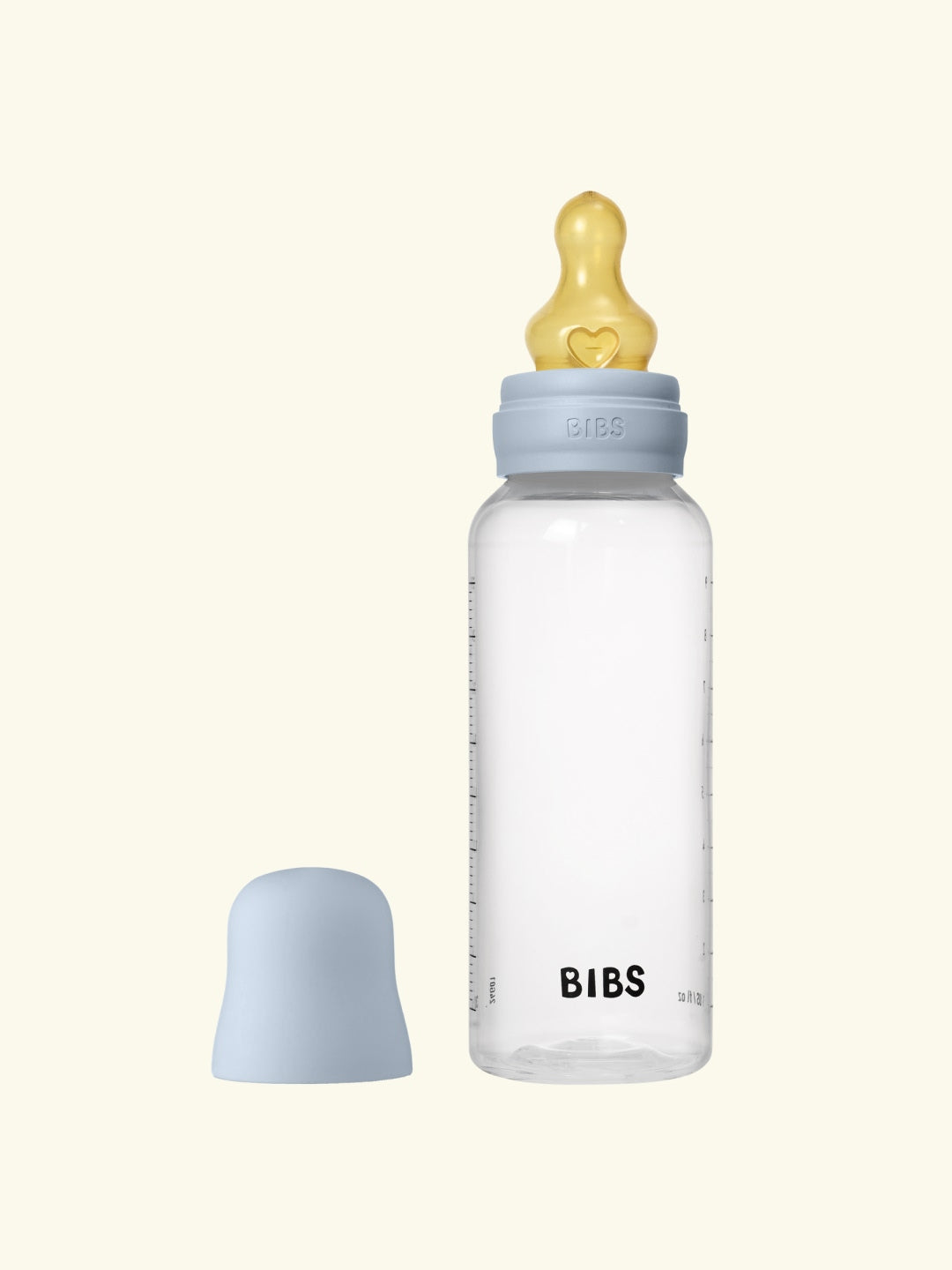
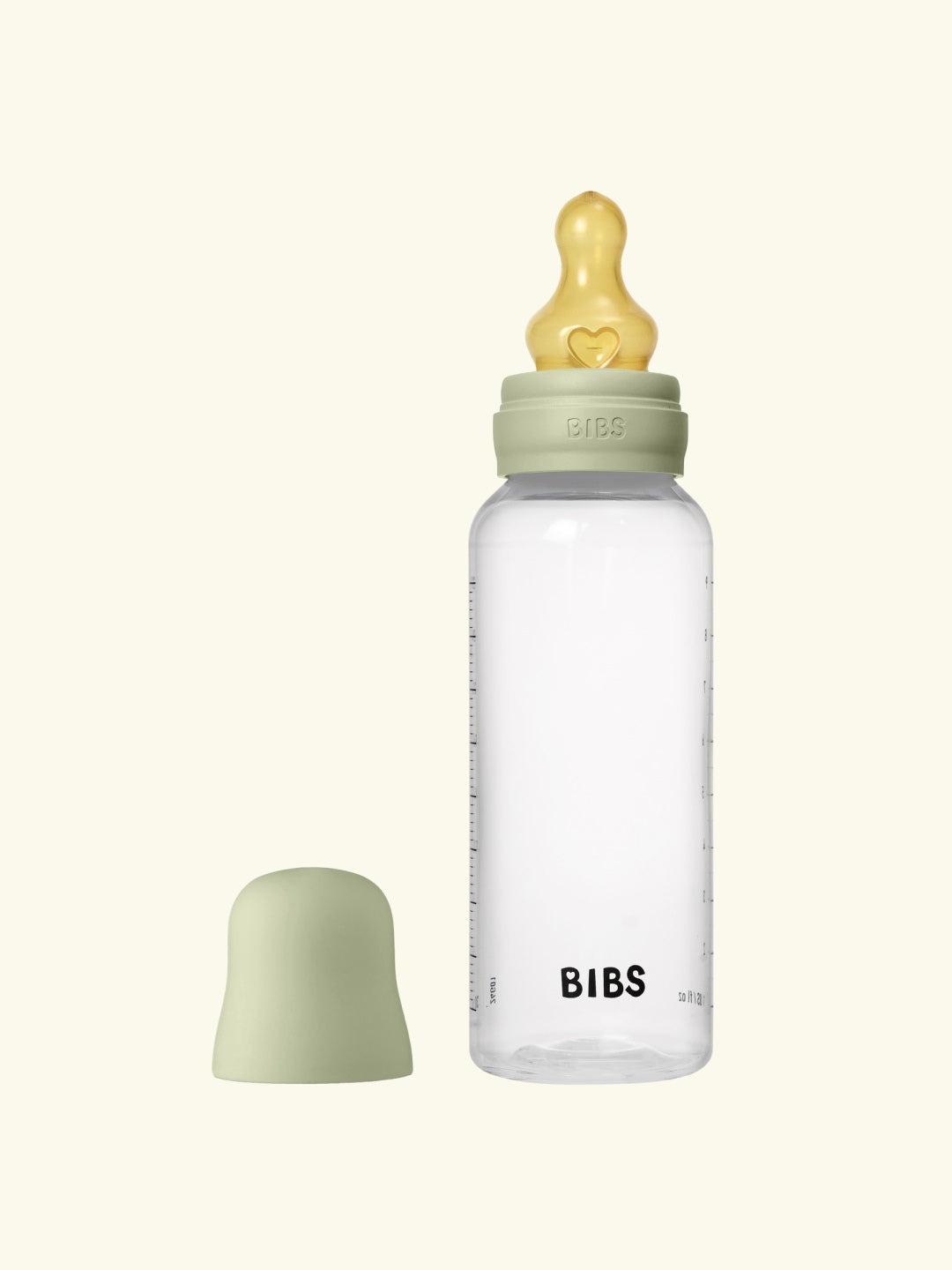
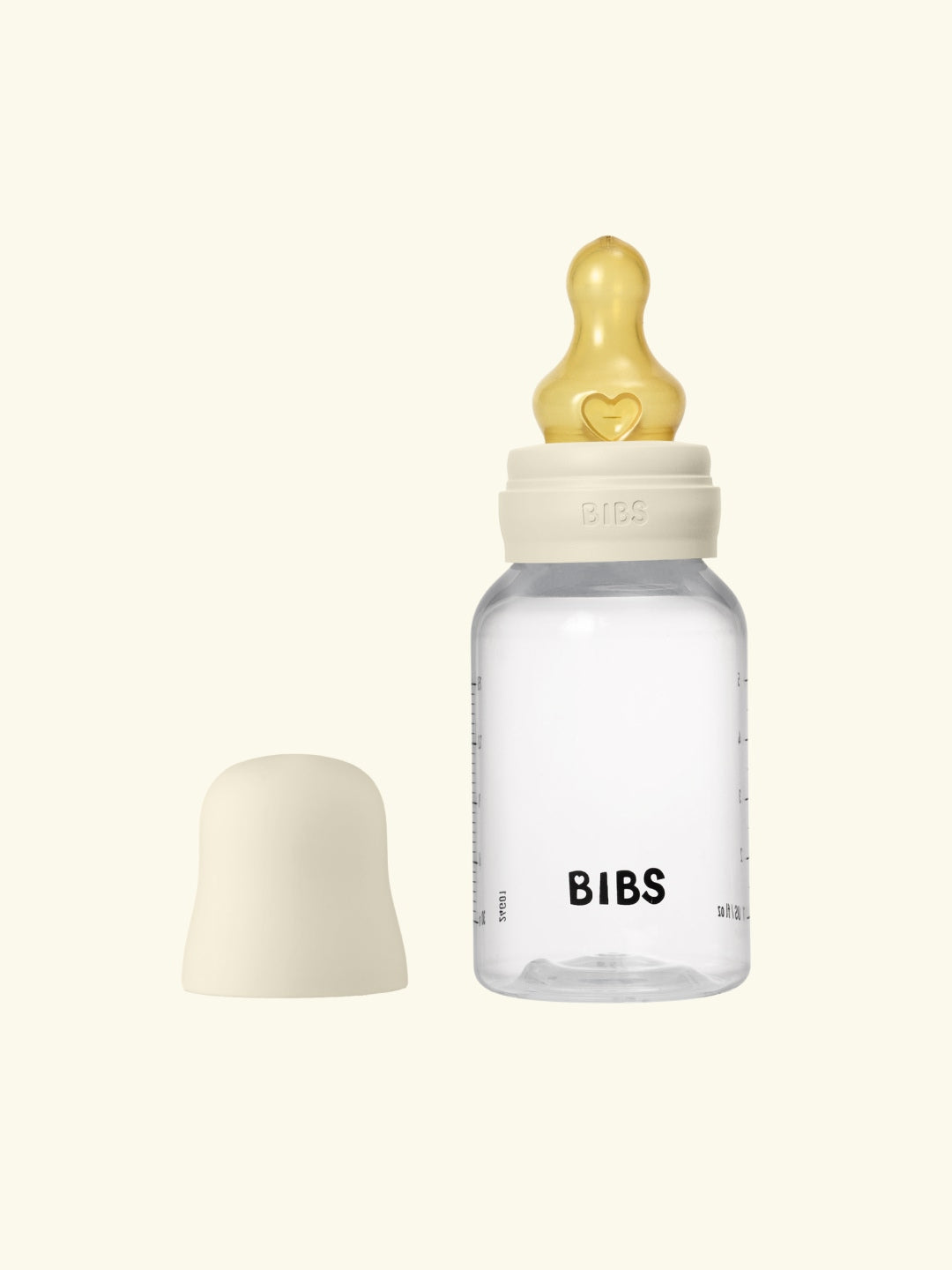
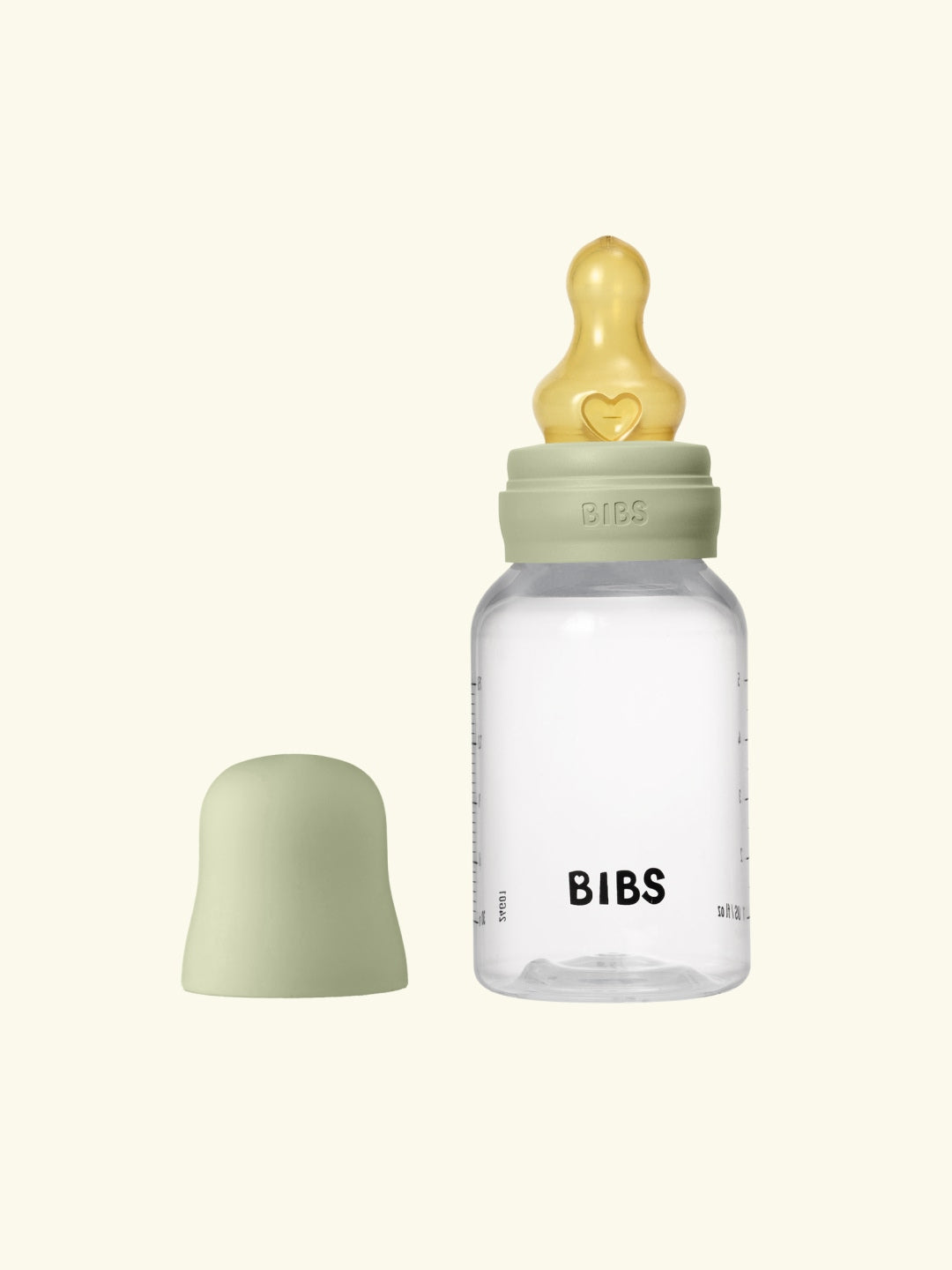
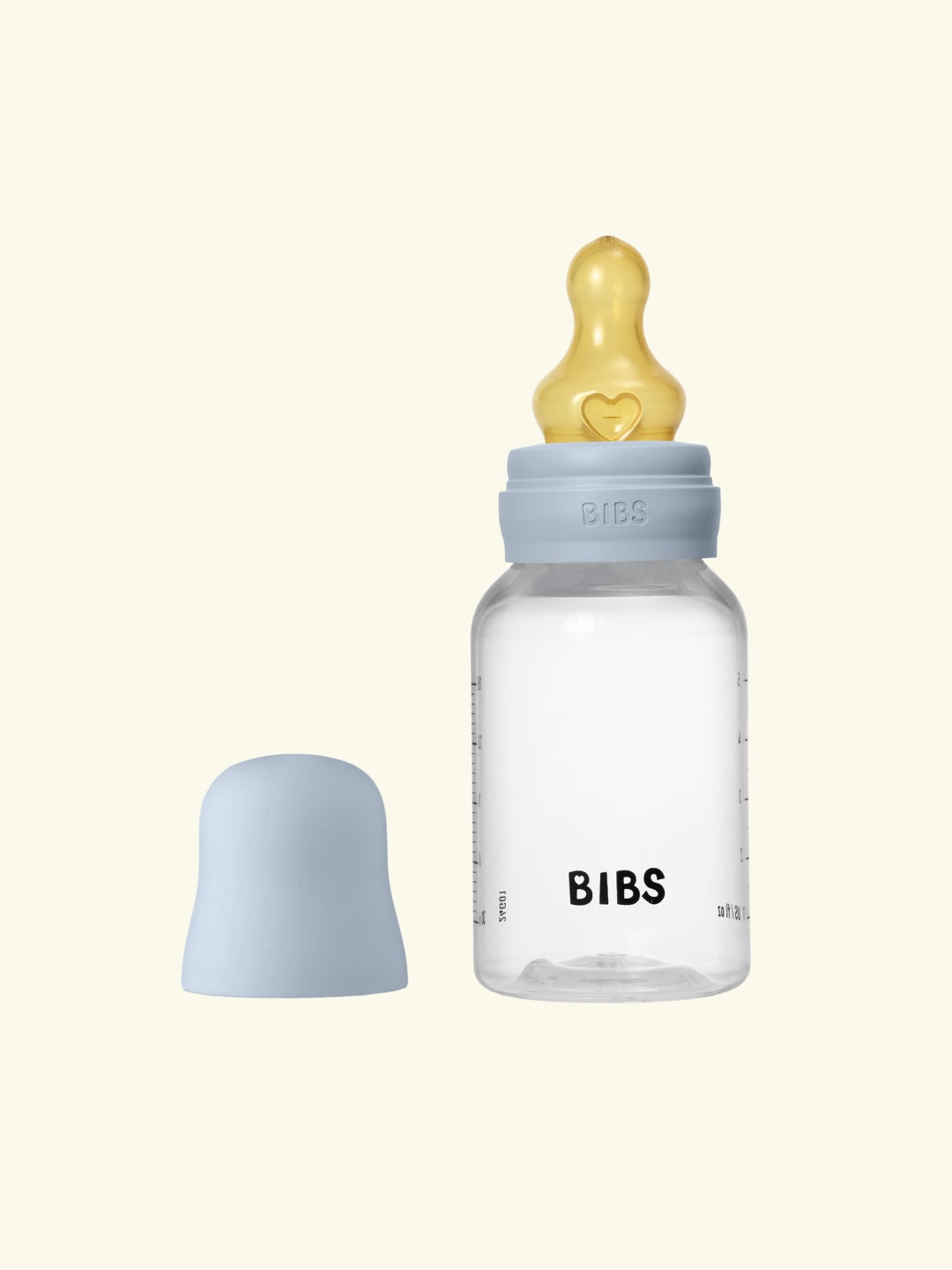
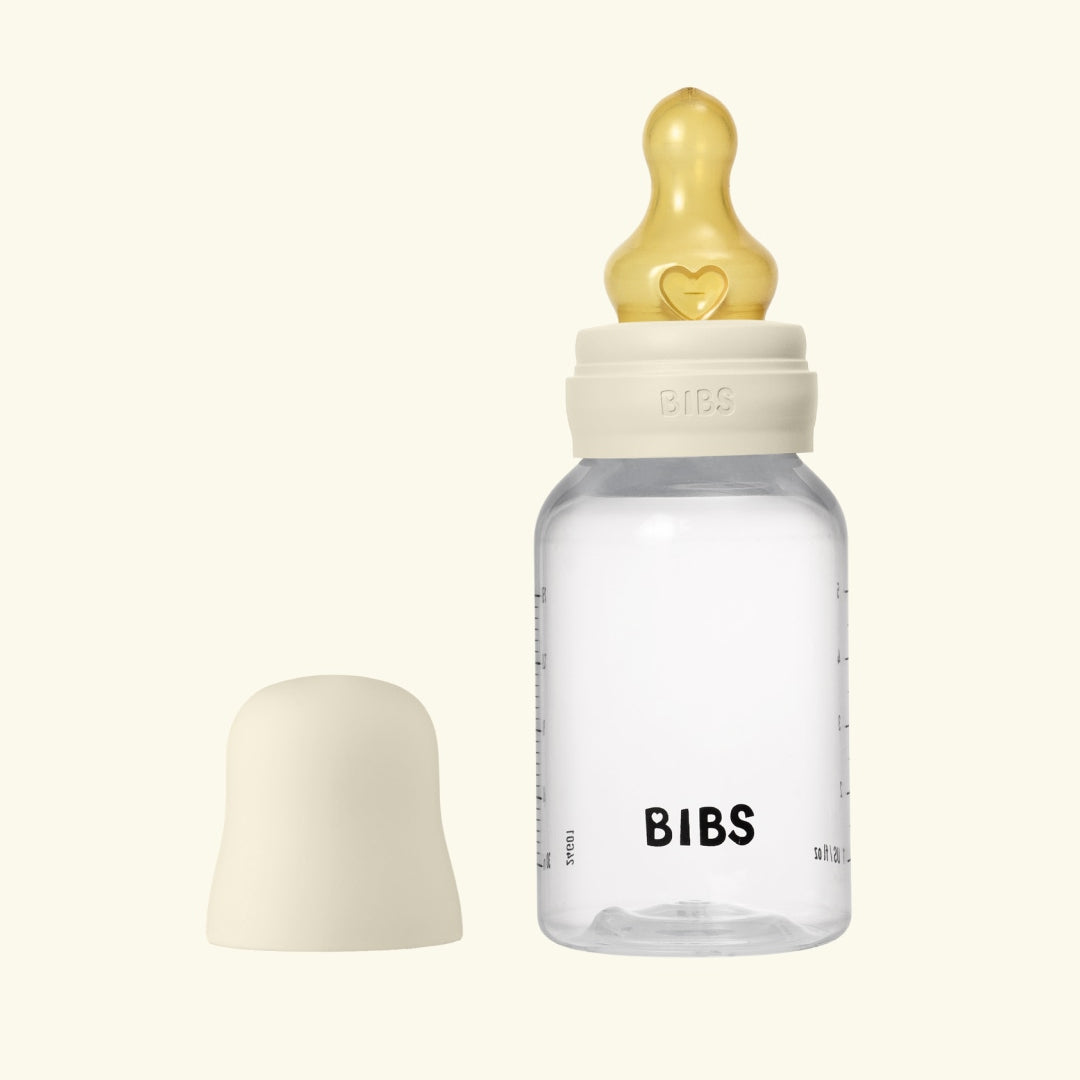
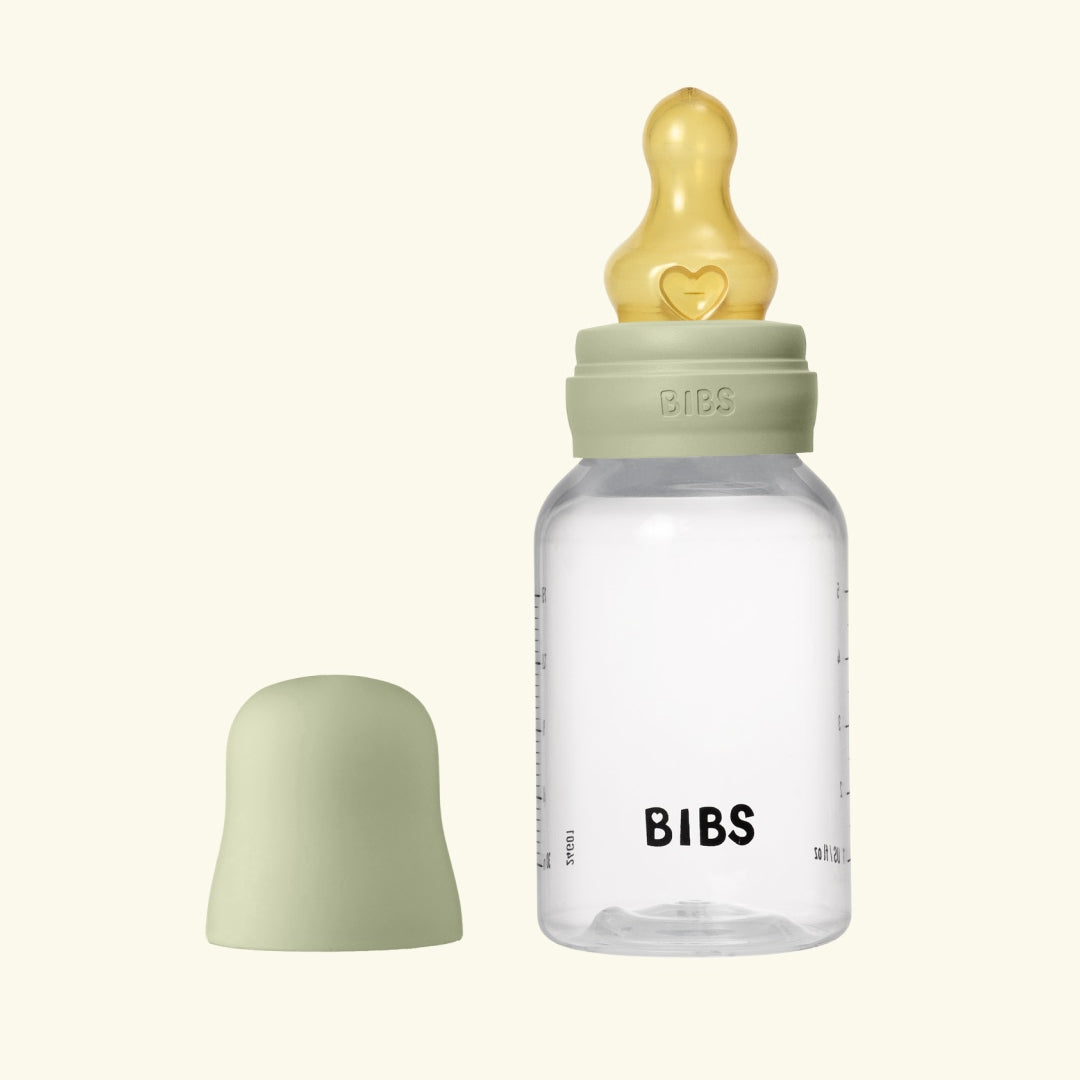
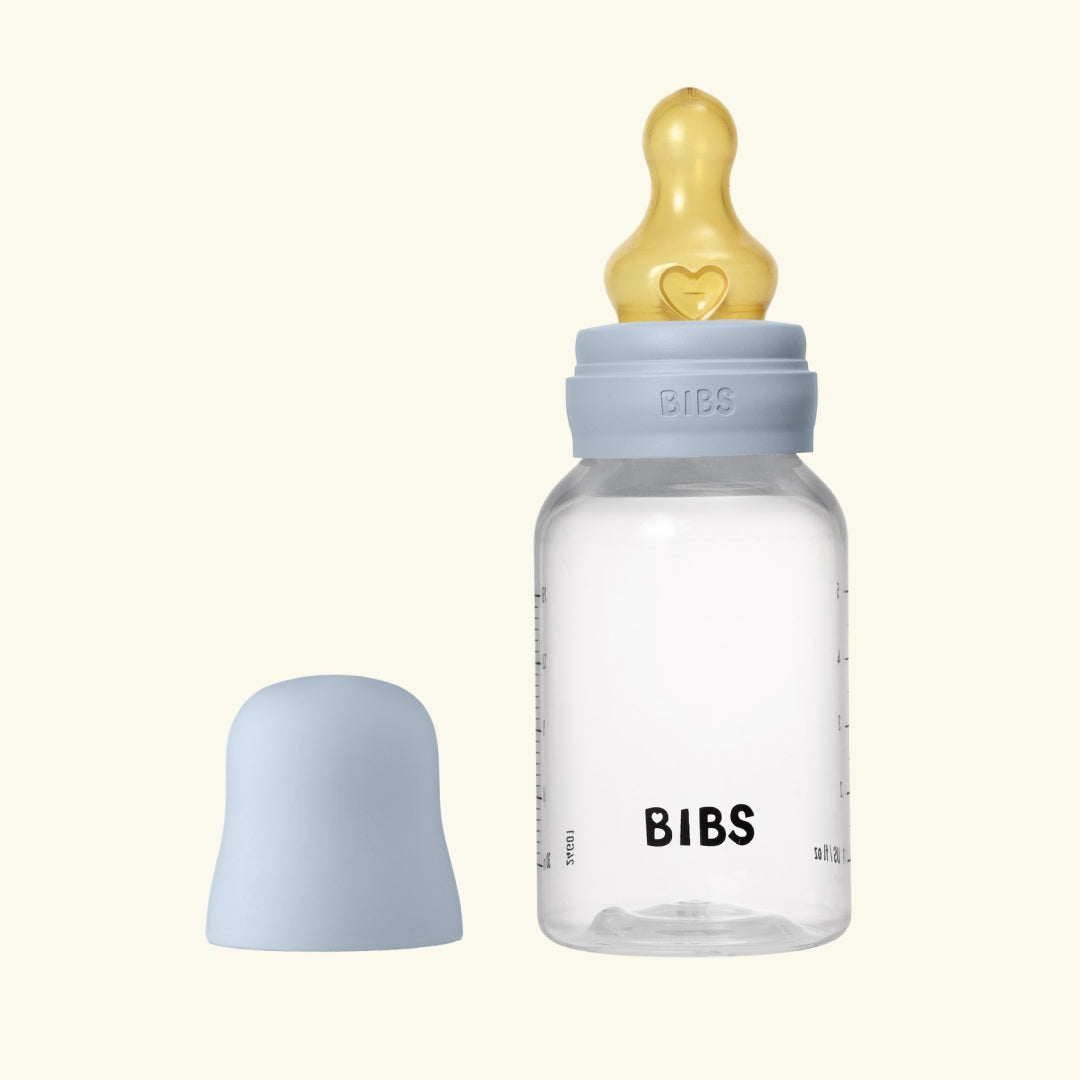
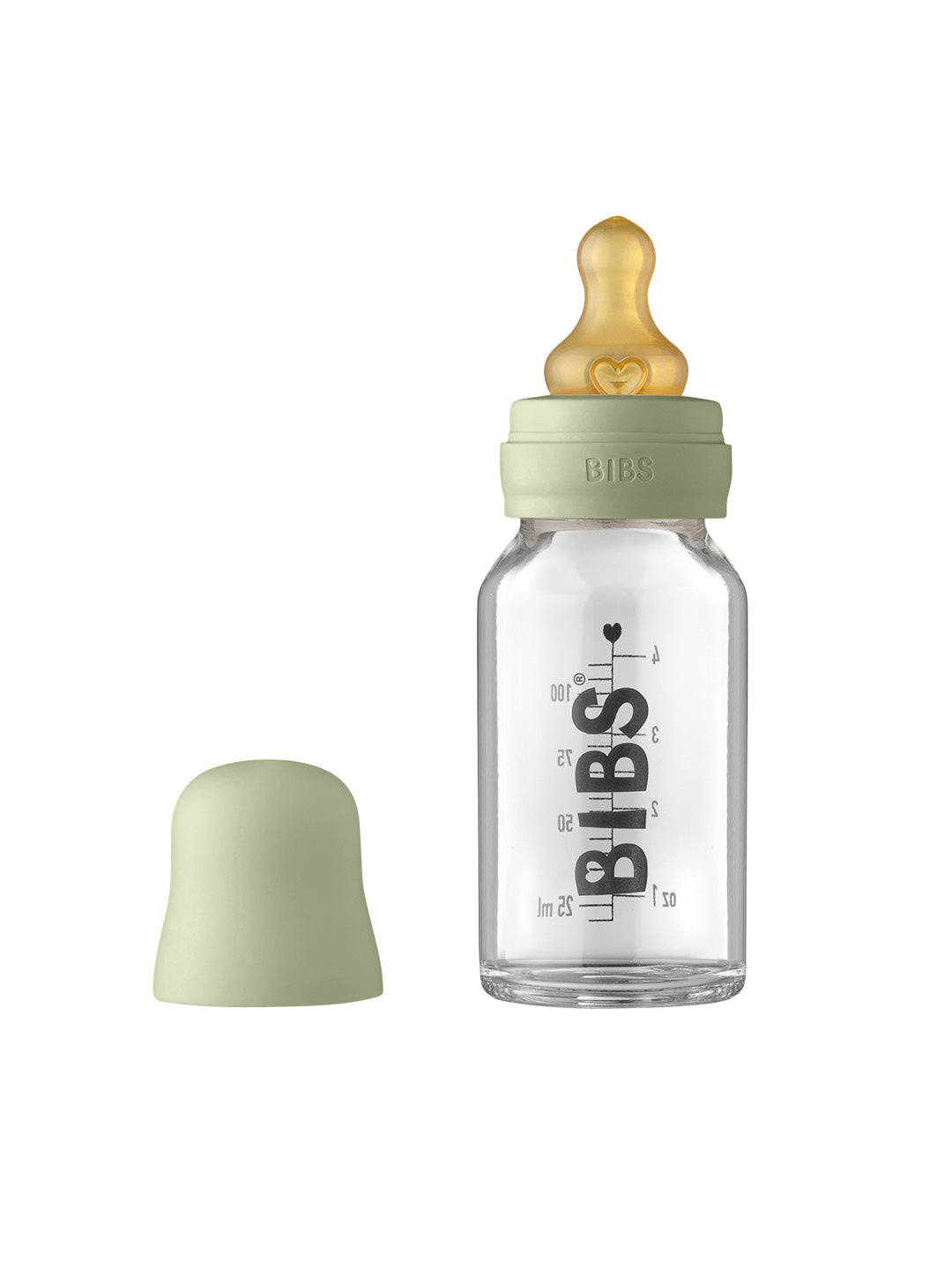
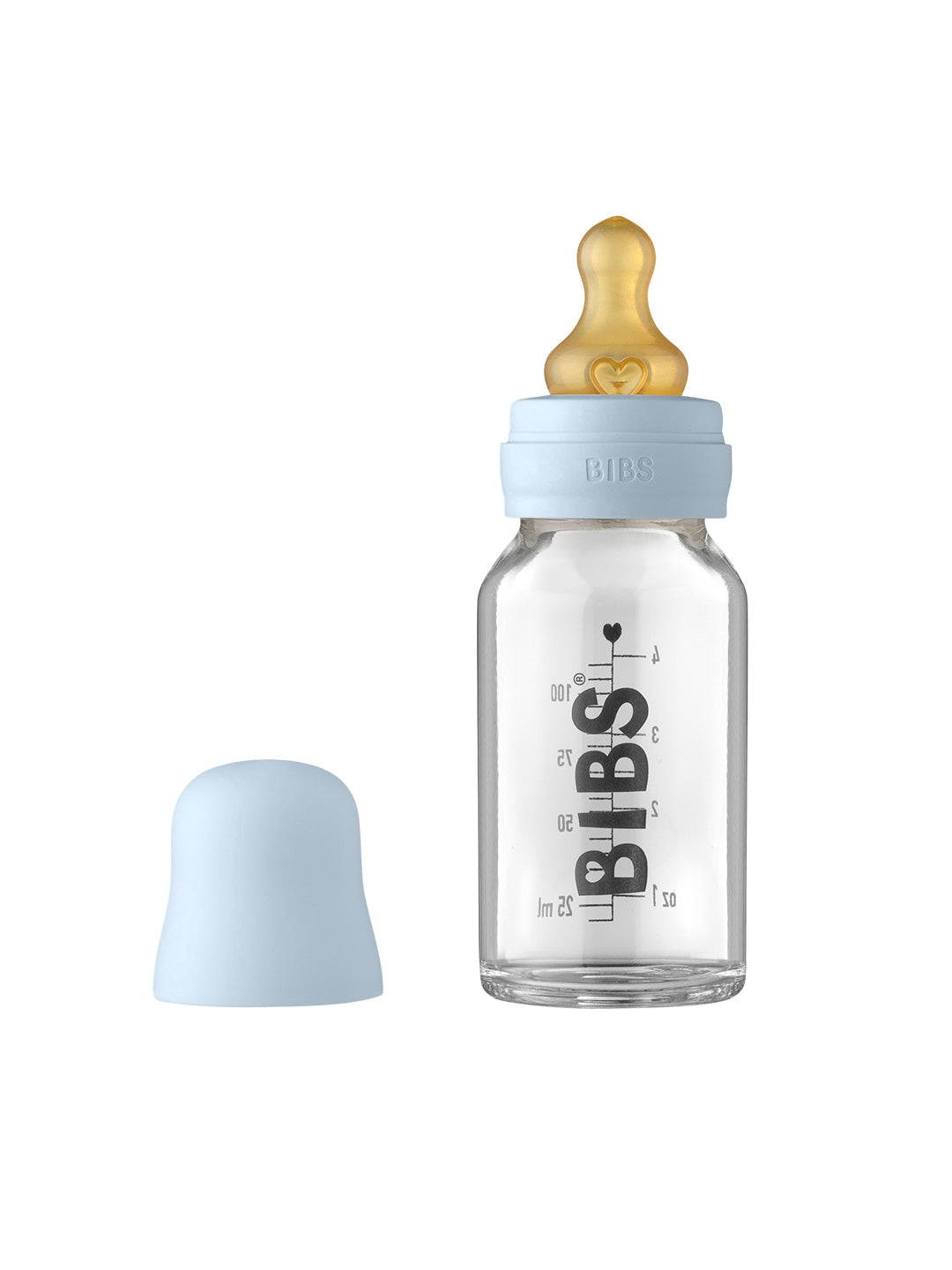
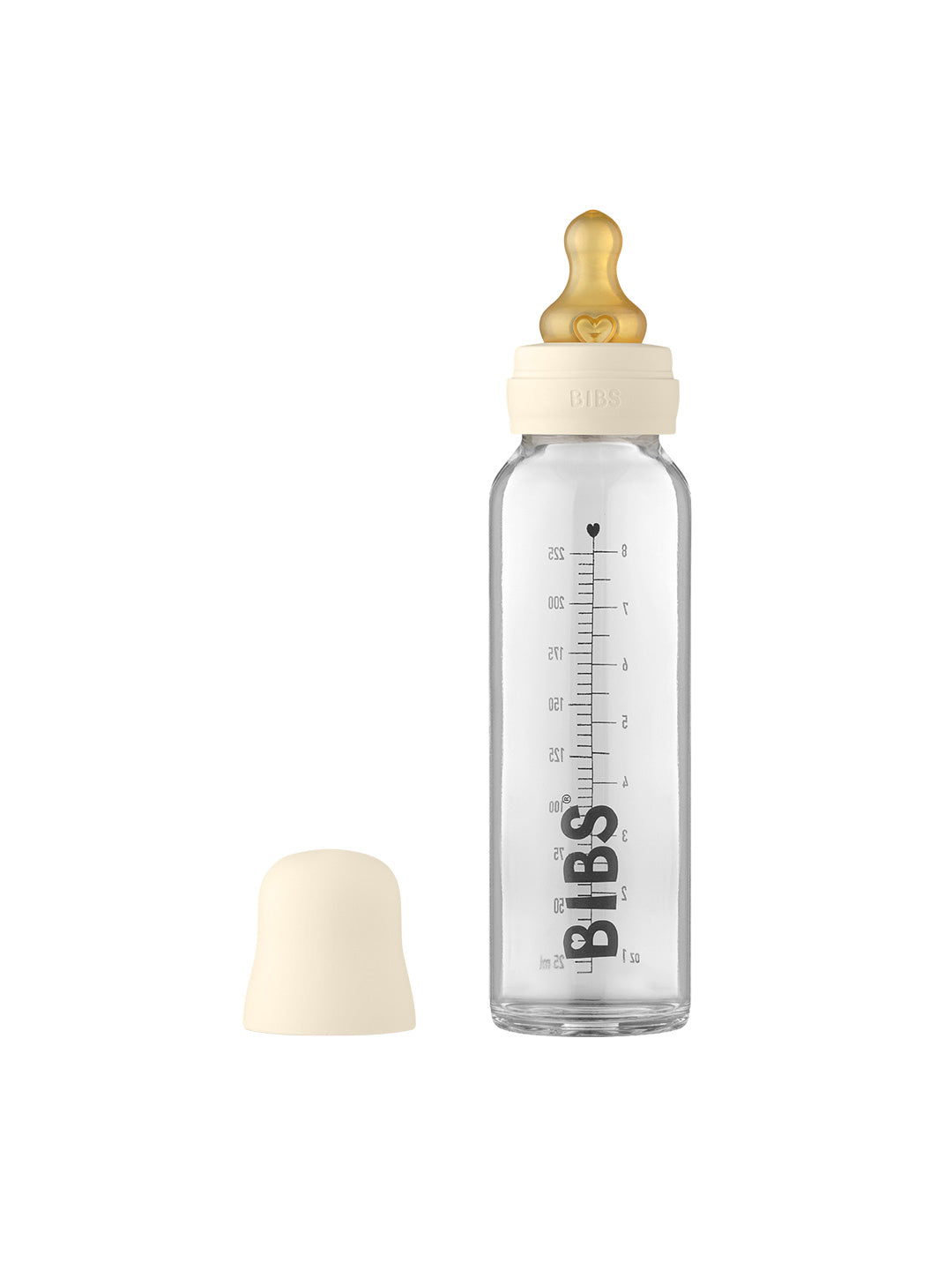
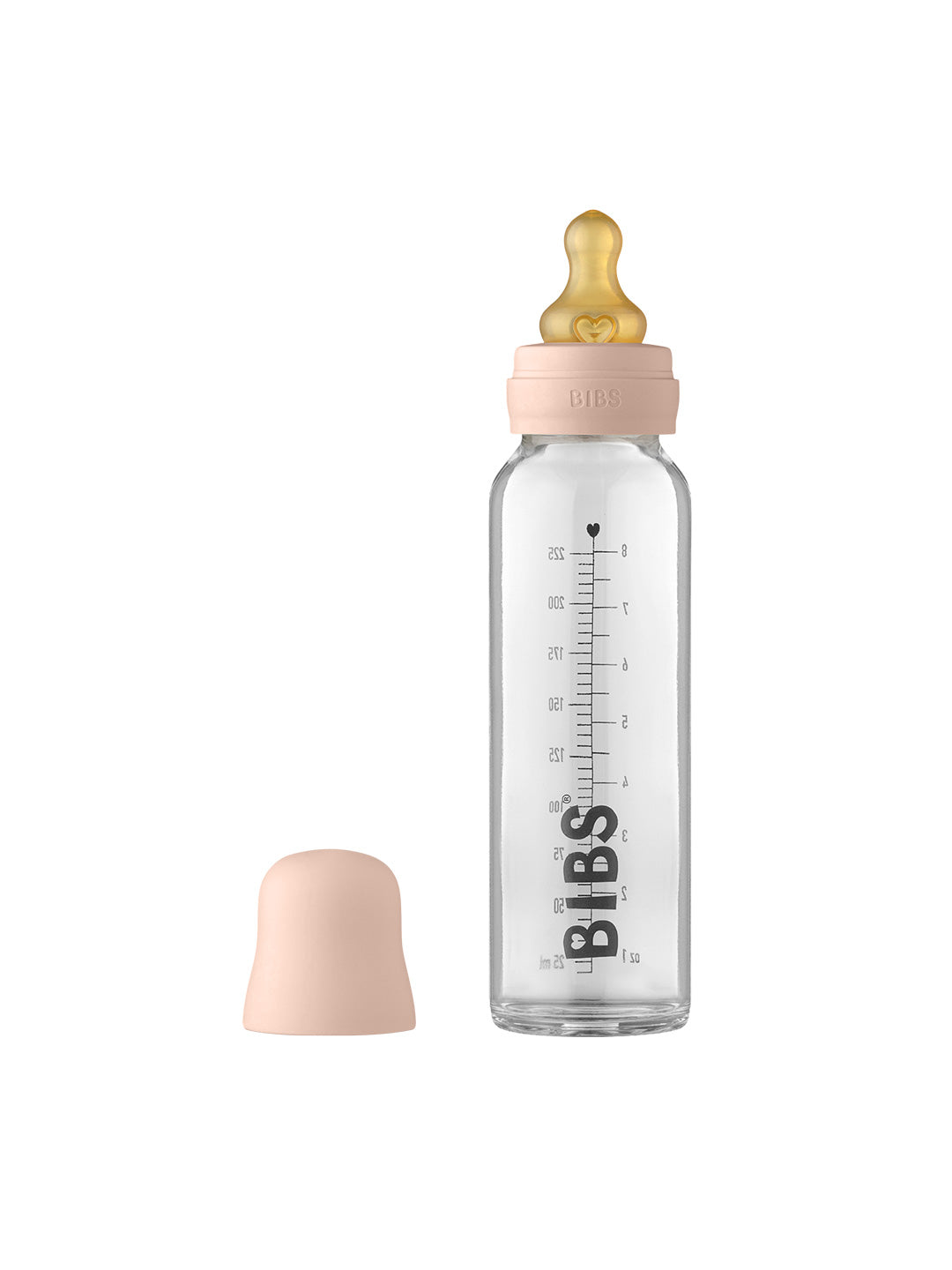
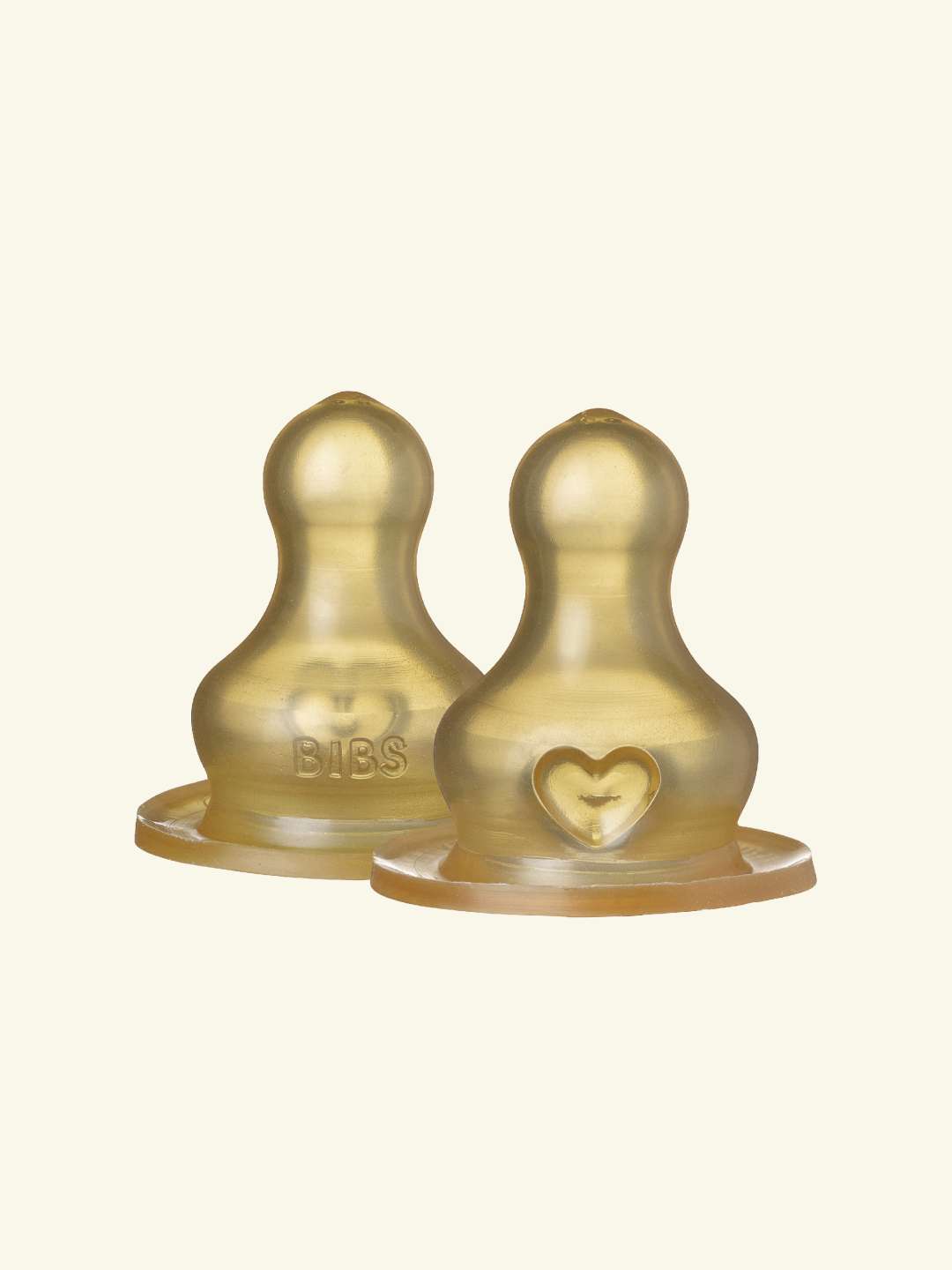
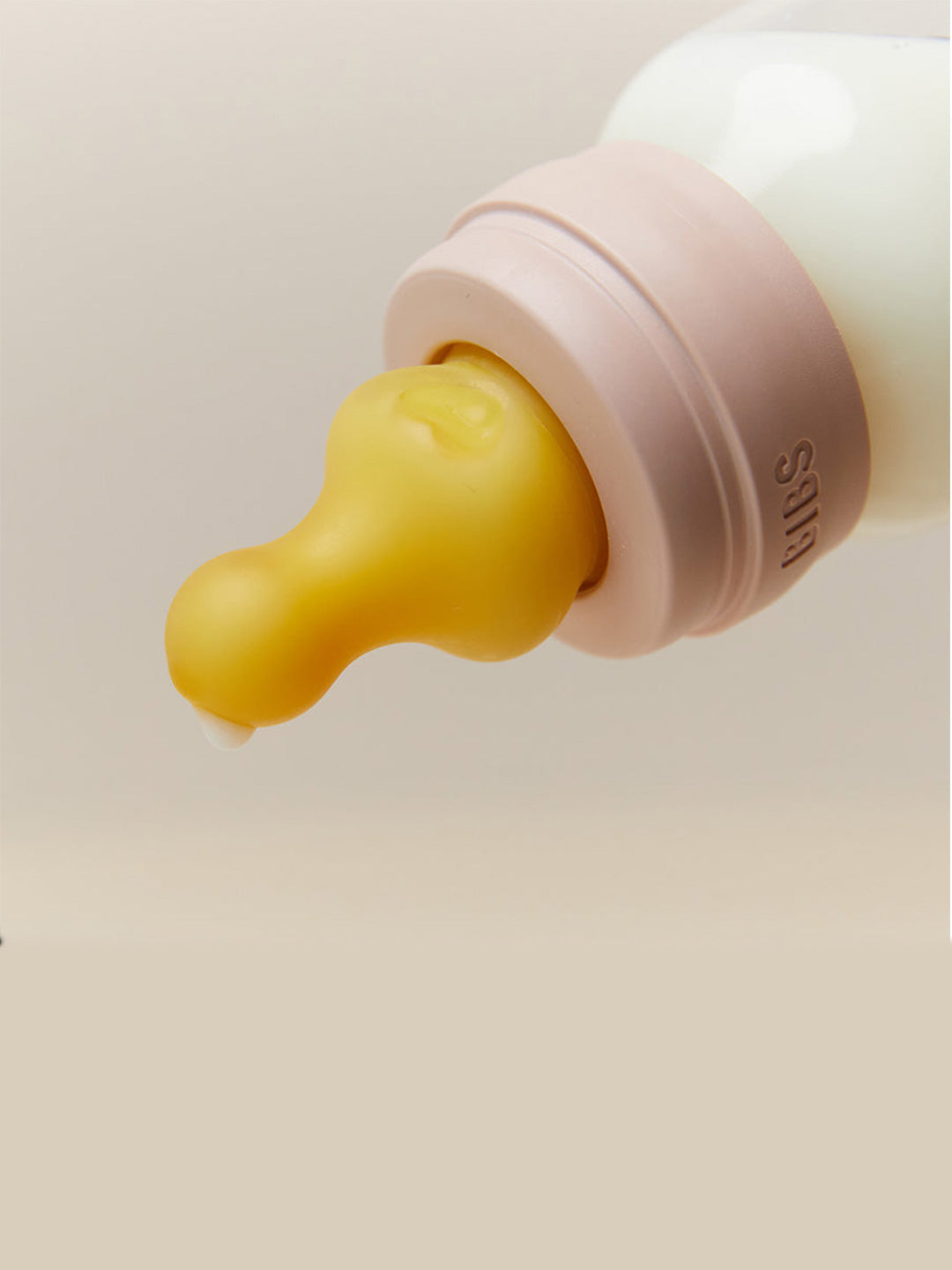
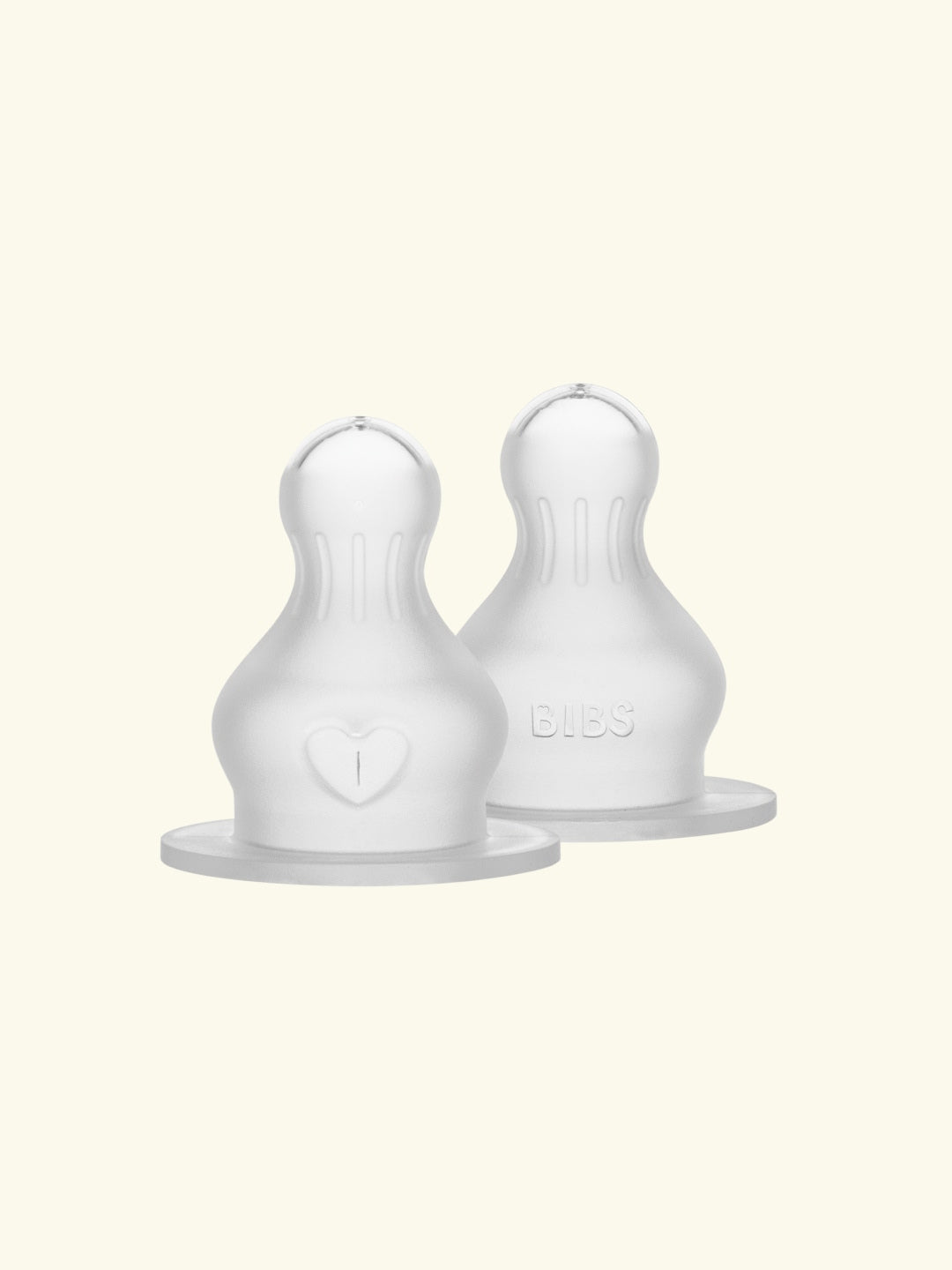
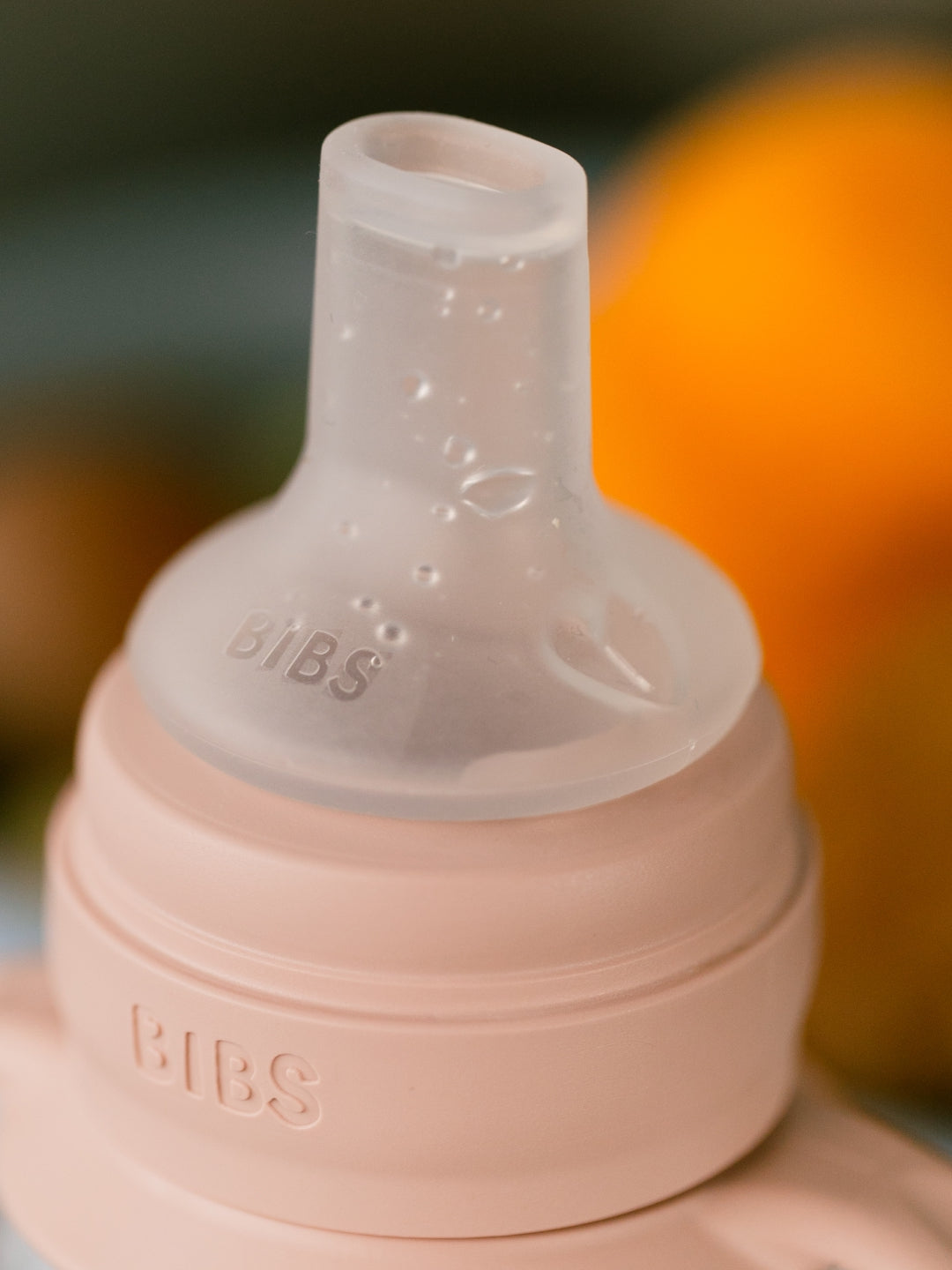
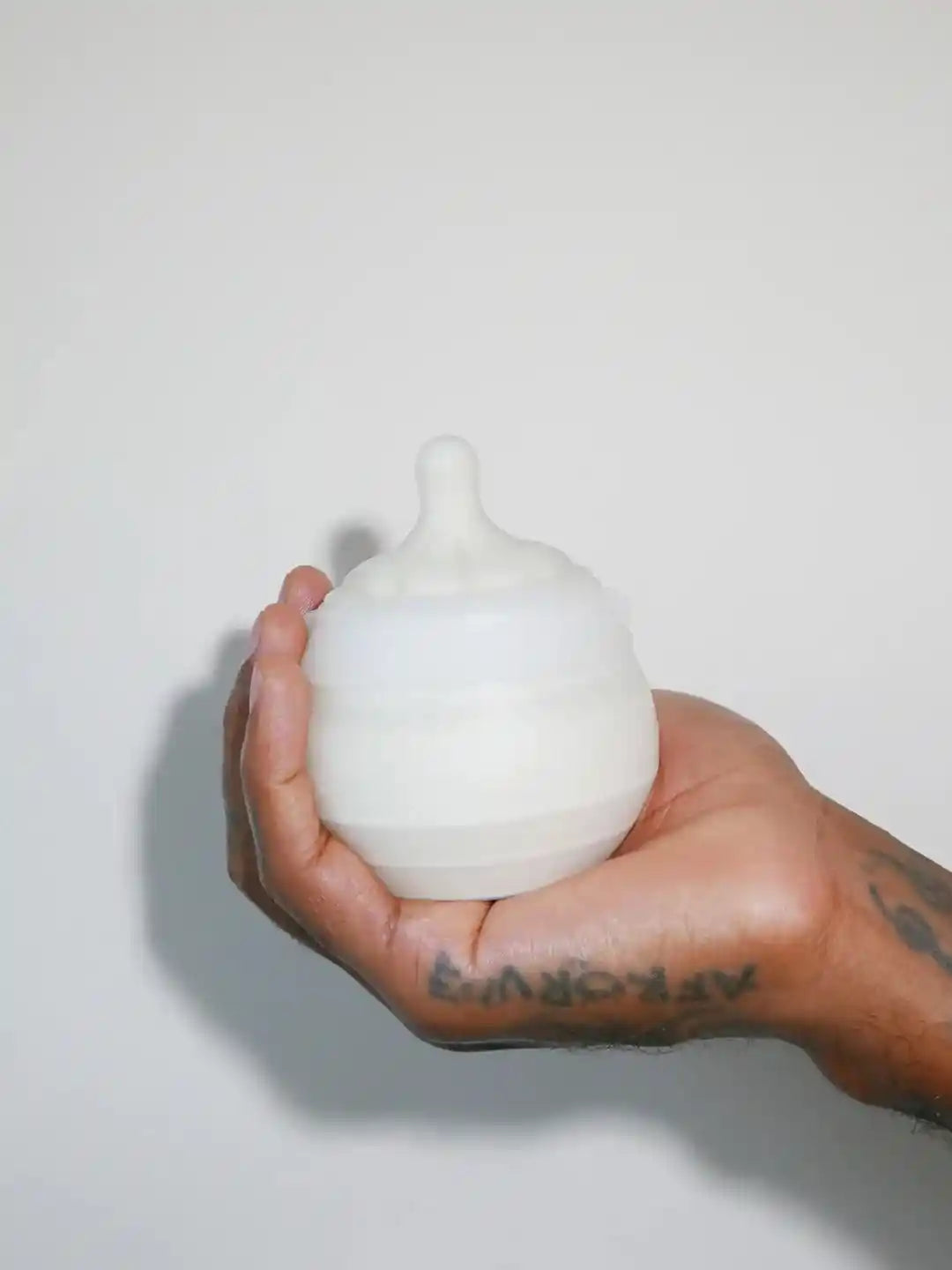
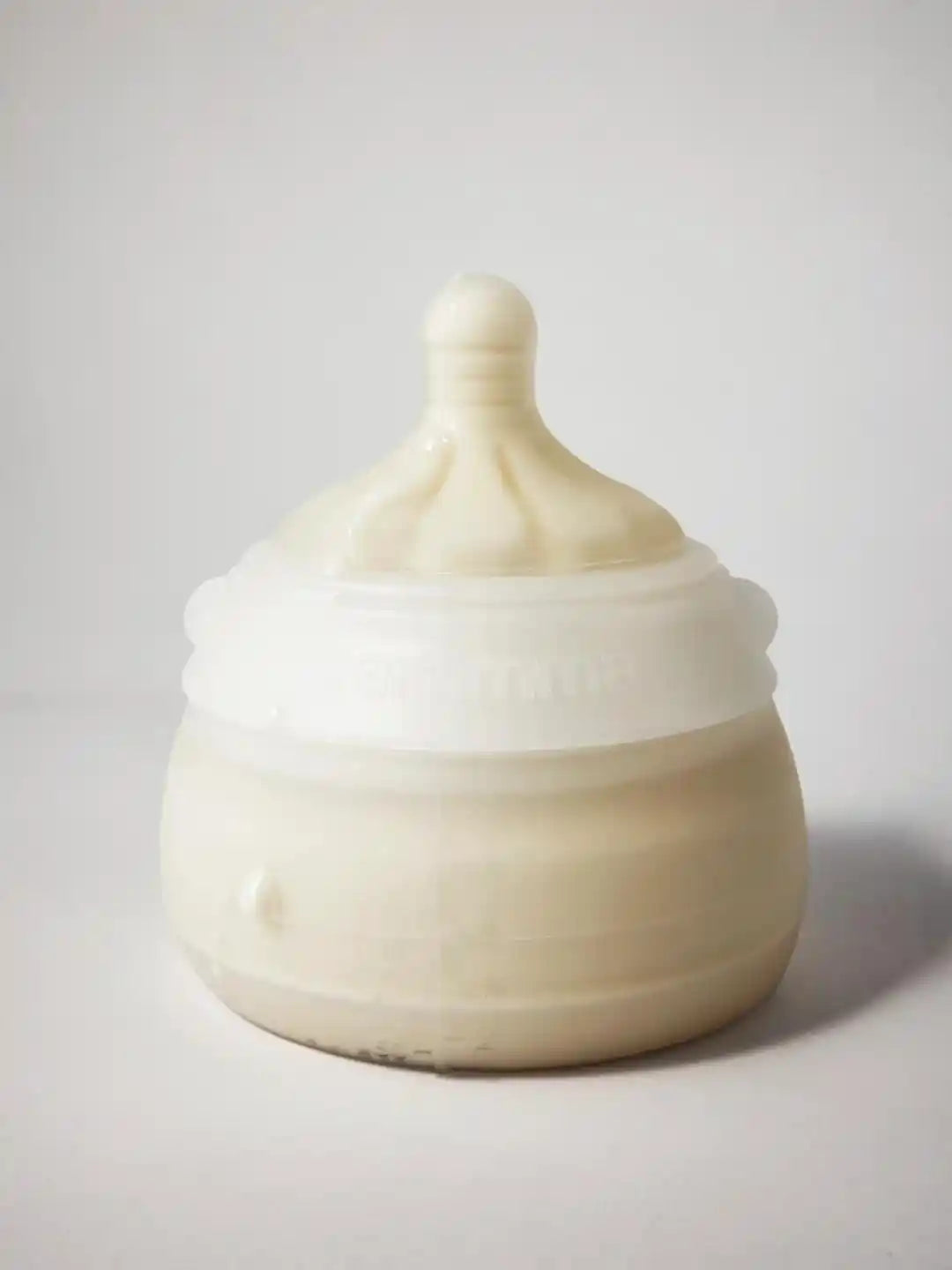
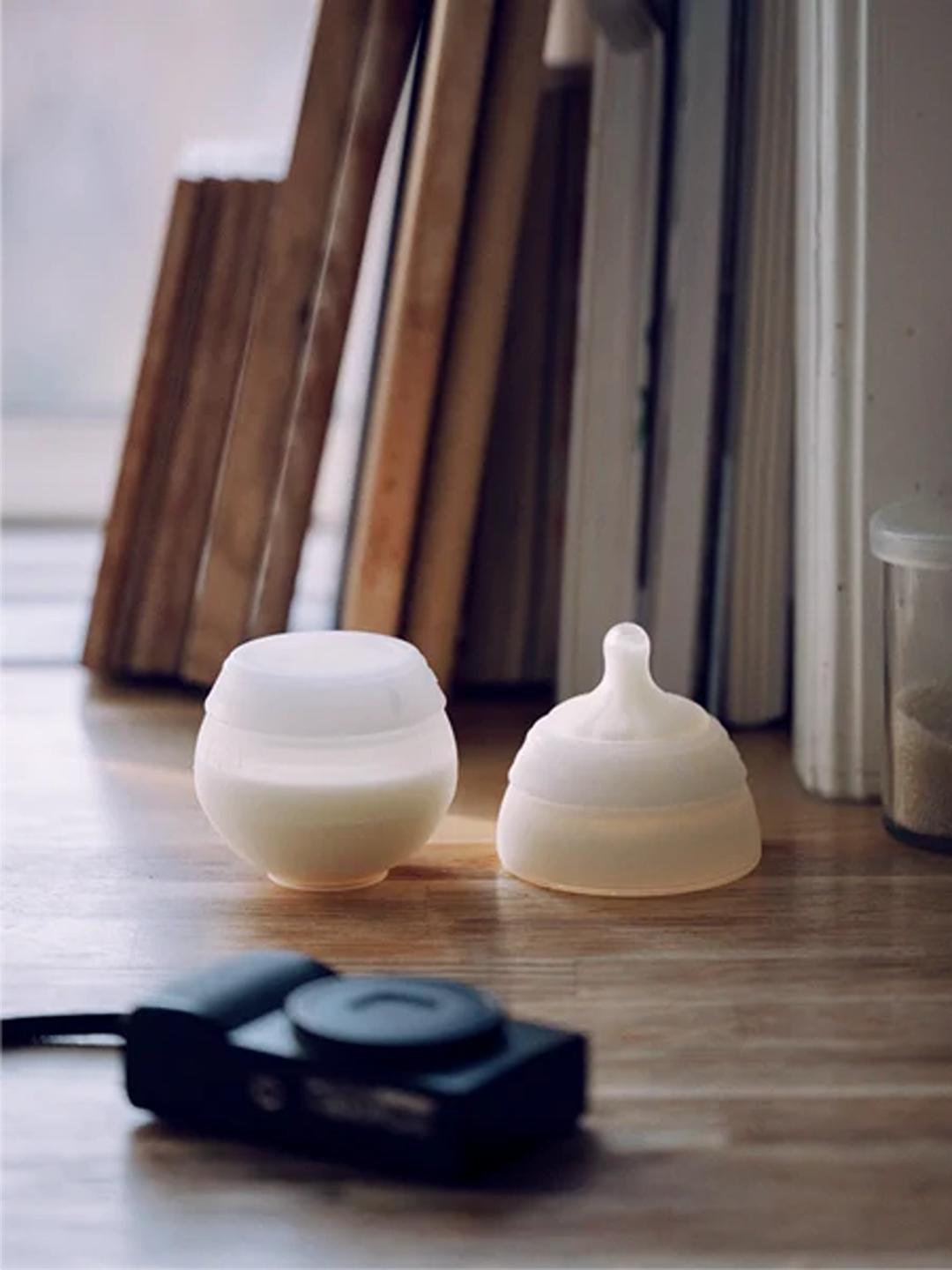
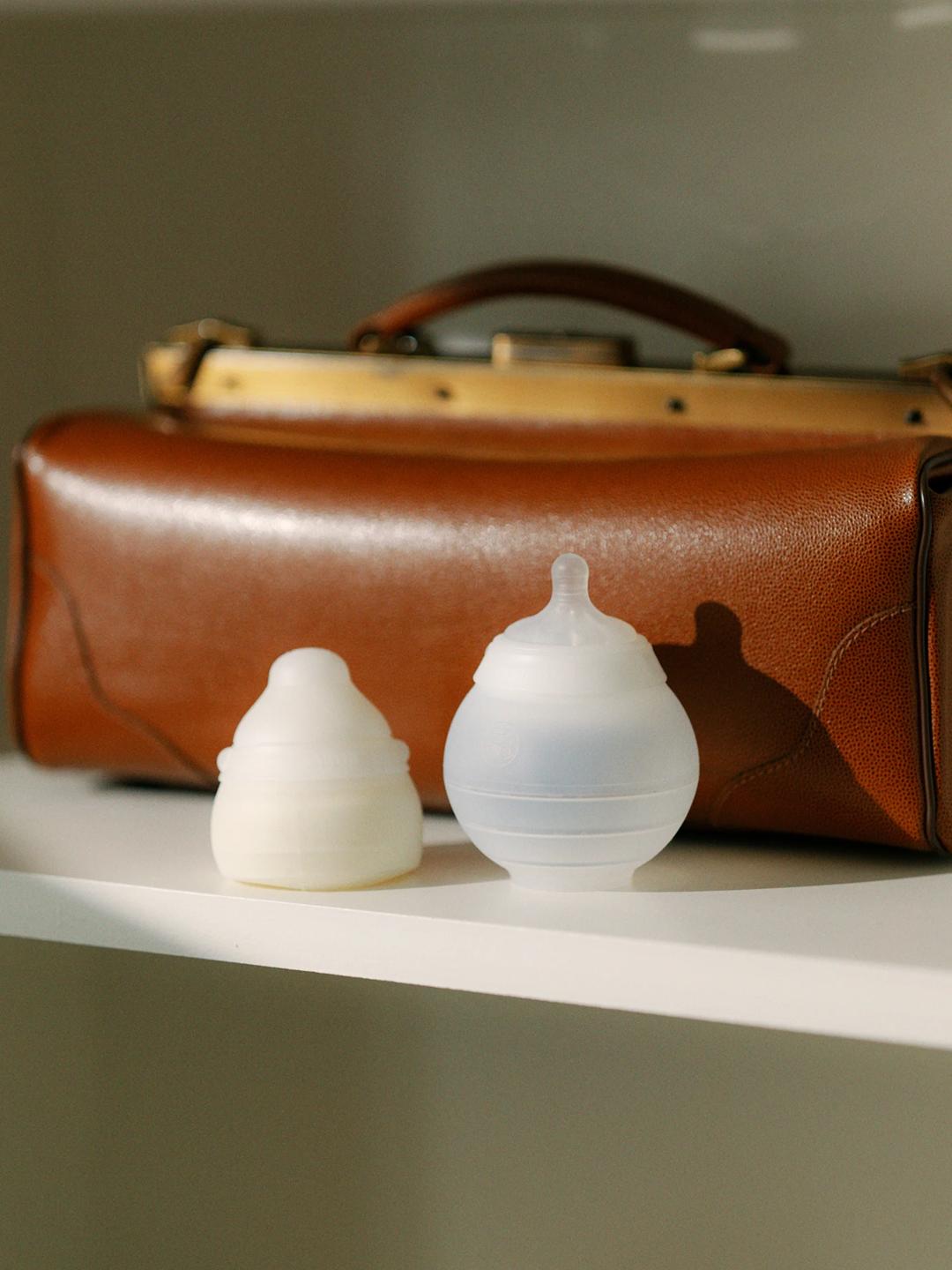
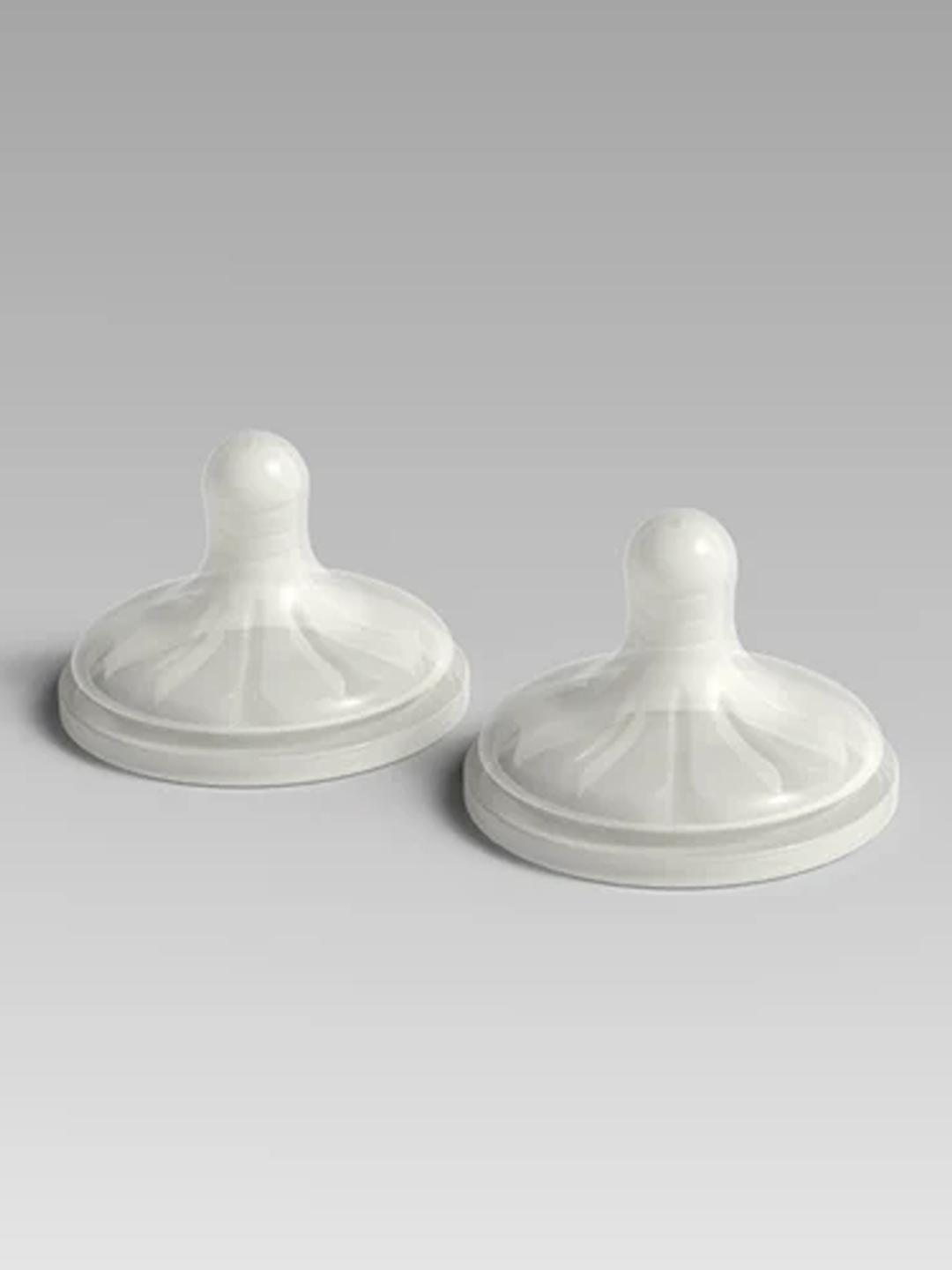
- Choose a bottle with a round nipple. It resembles the shape, feel, and movement of the breast, supporting a familiar latch when combining breast and bottle feeding.
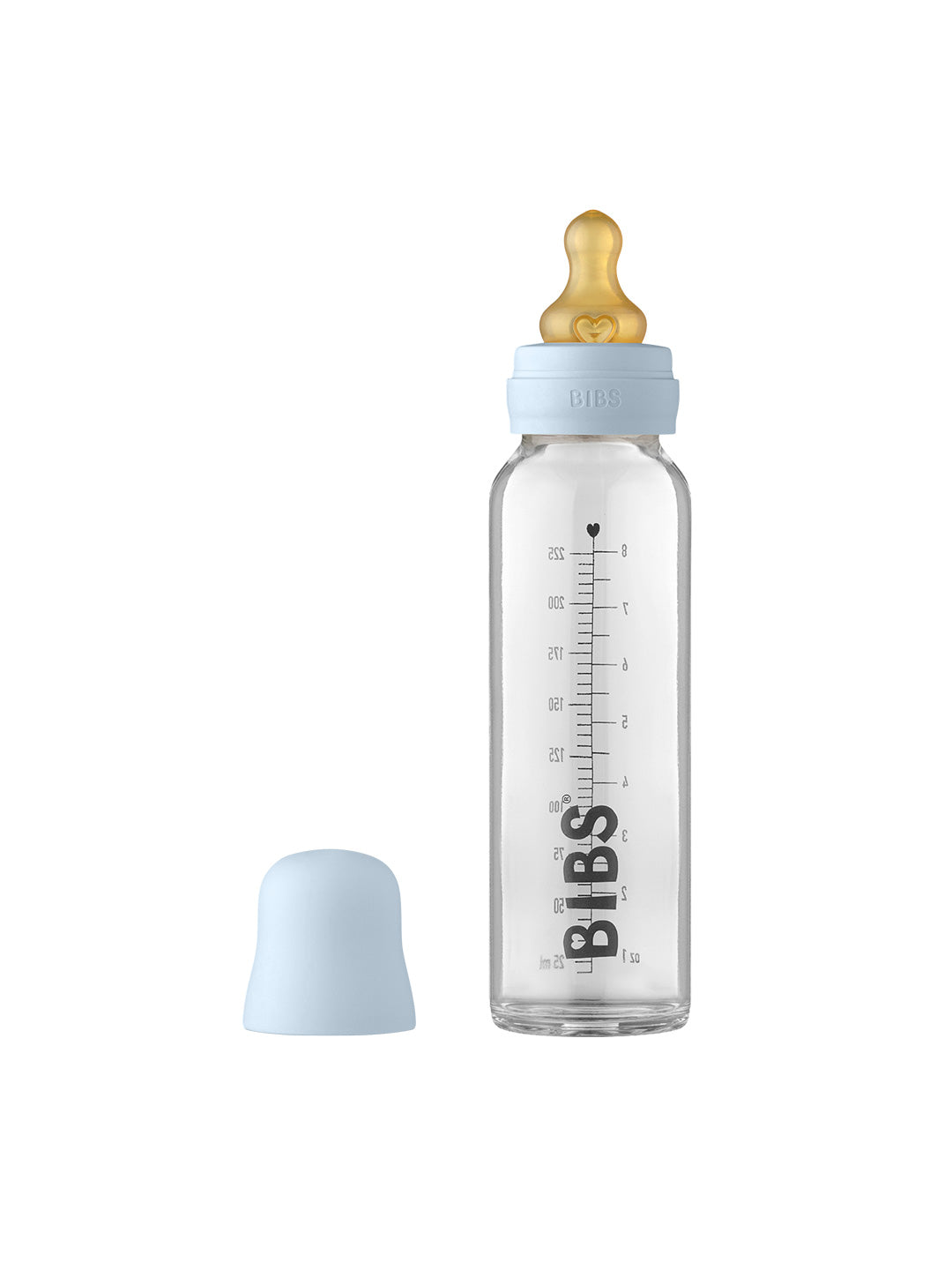
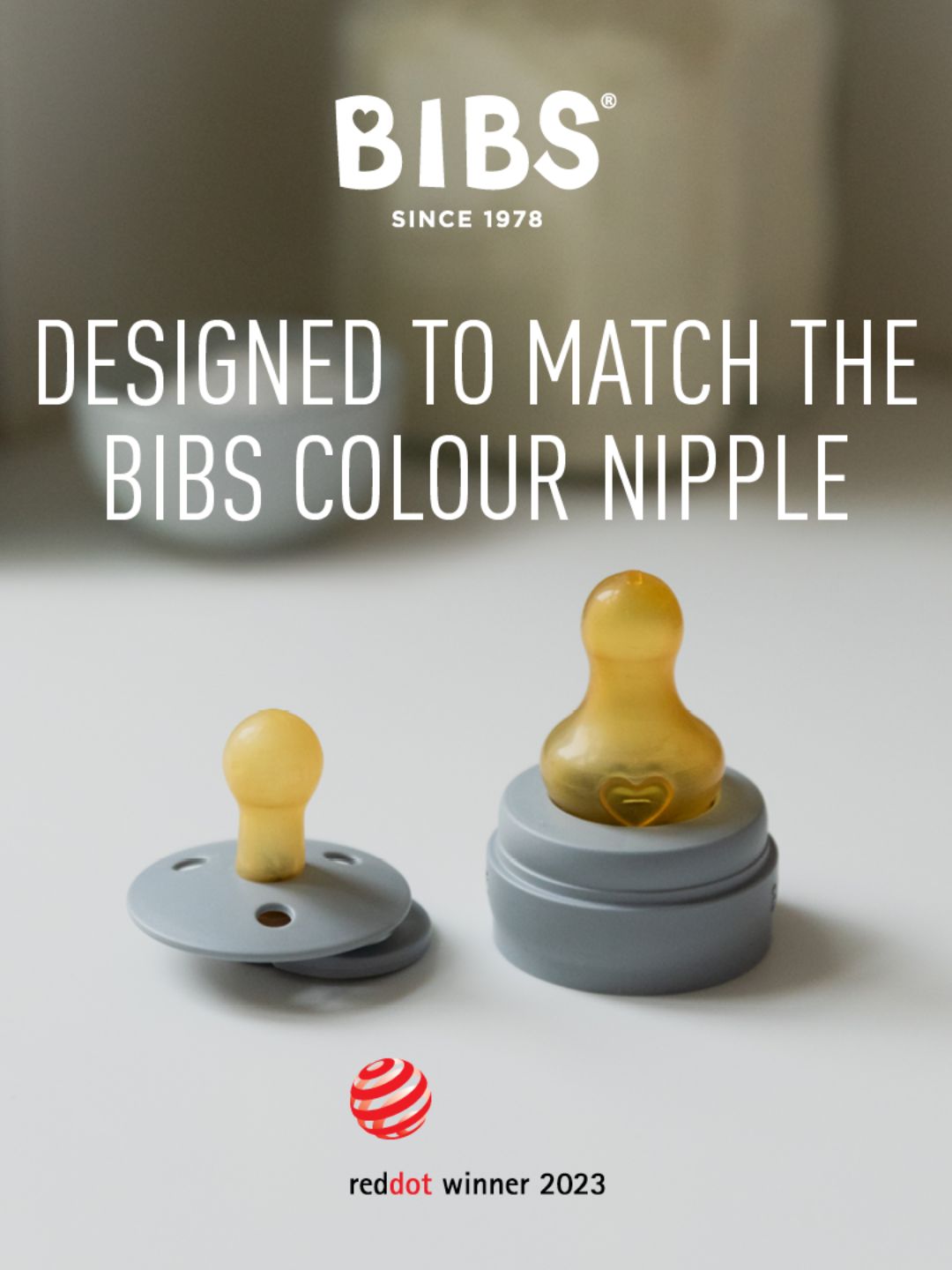
- Match the pacifier to the bottle nipple. A round pacifier nipple creates a more consistent experience across breastfeeding, bottle feeding, and pacifier use.
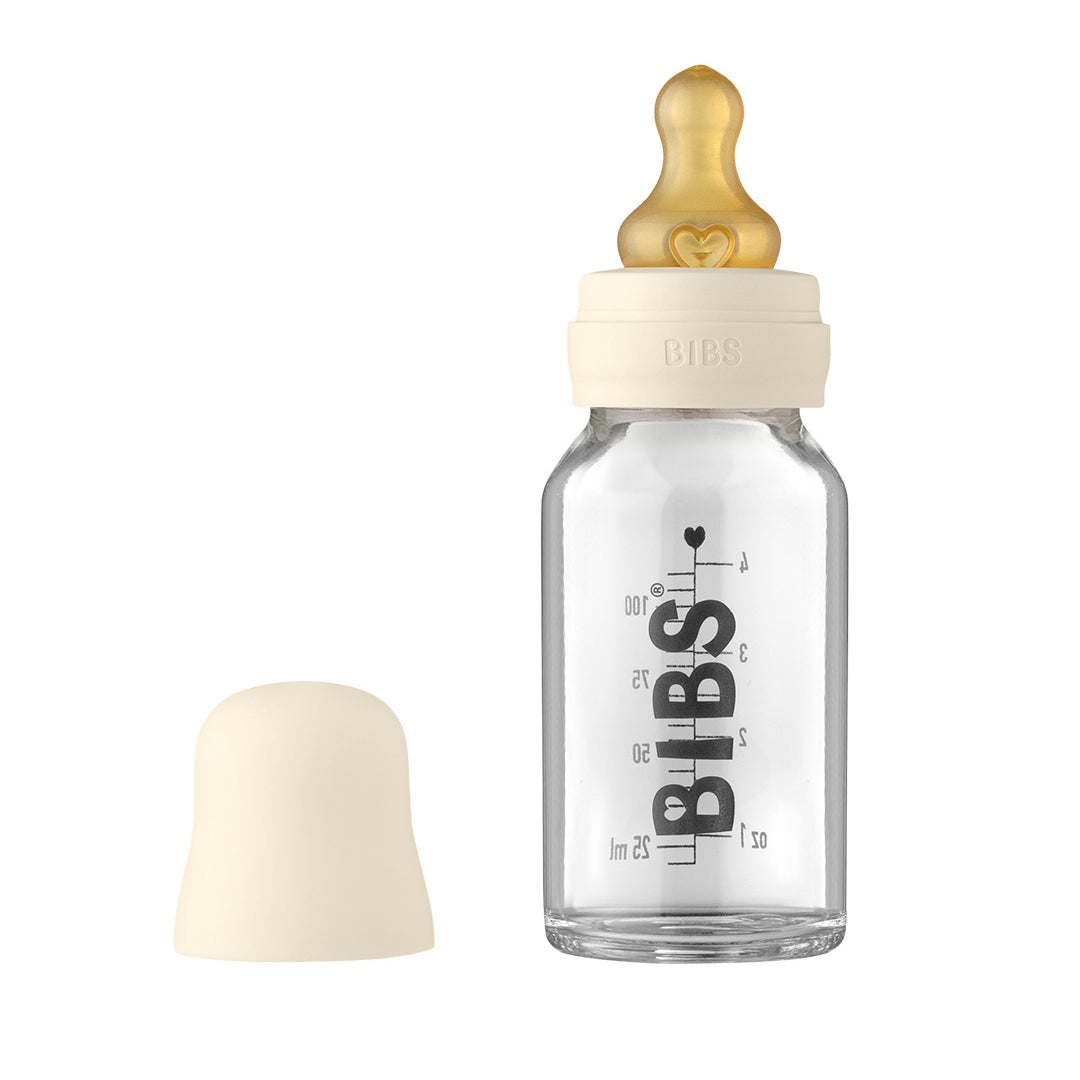
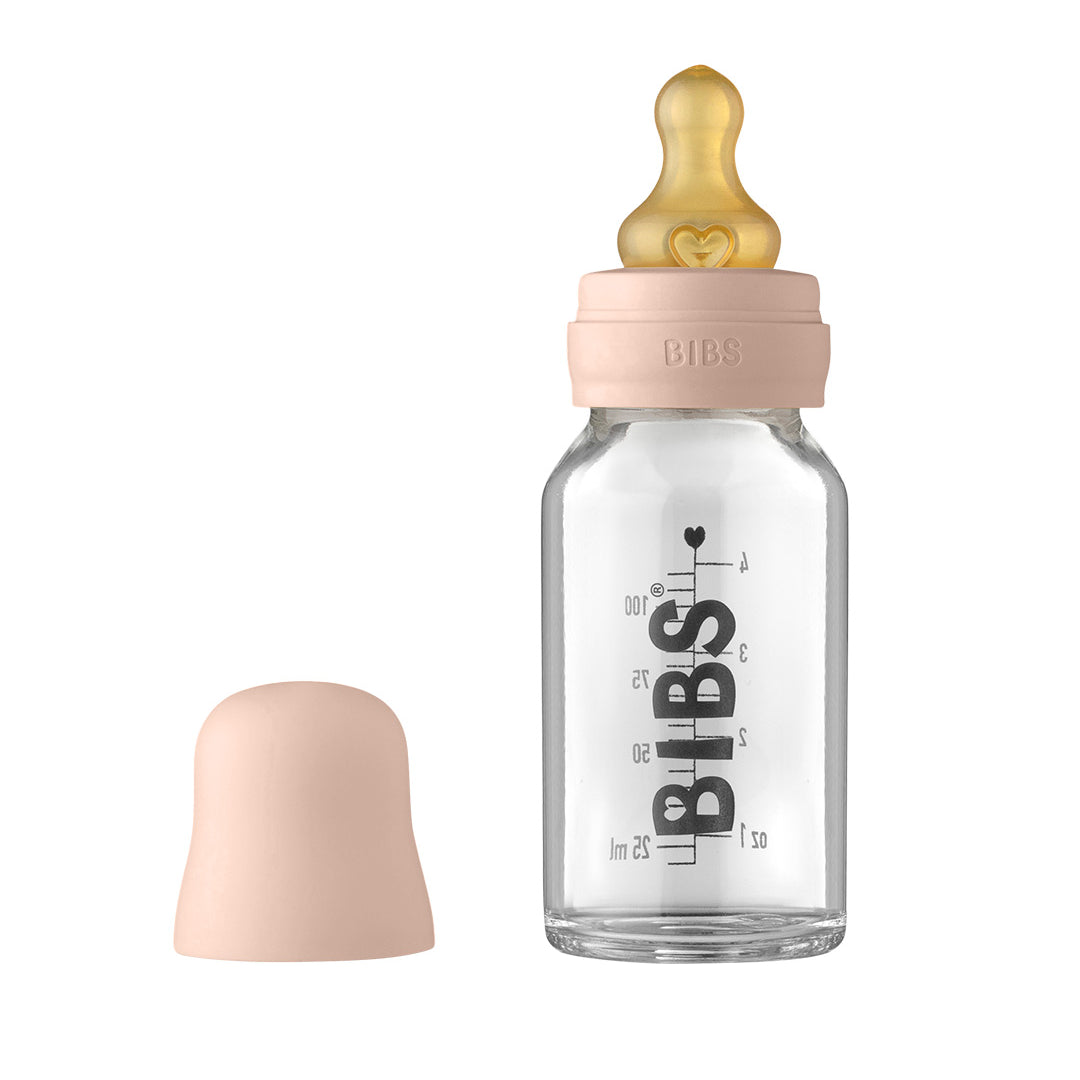
Using similar nipple shapes can make transitions easier and reduce feeding frustration.

Which nipple material to choose?

If your baby uses a pacifier, it can be helpful to consider which material they’re already comfortable with.

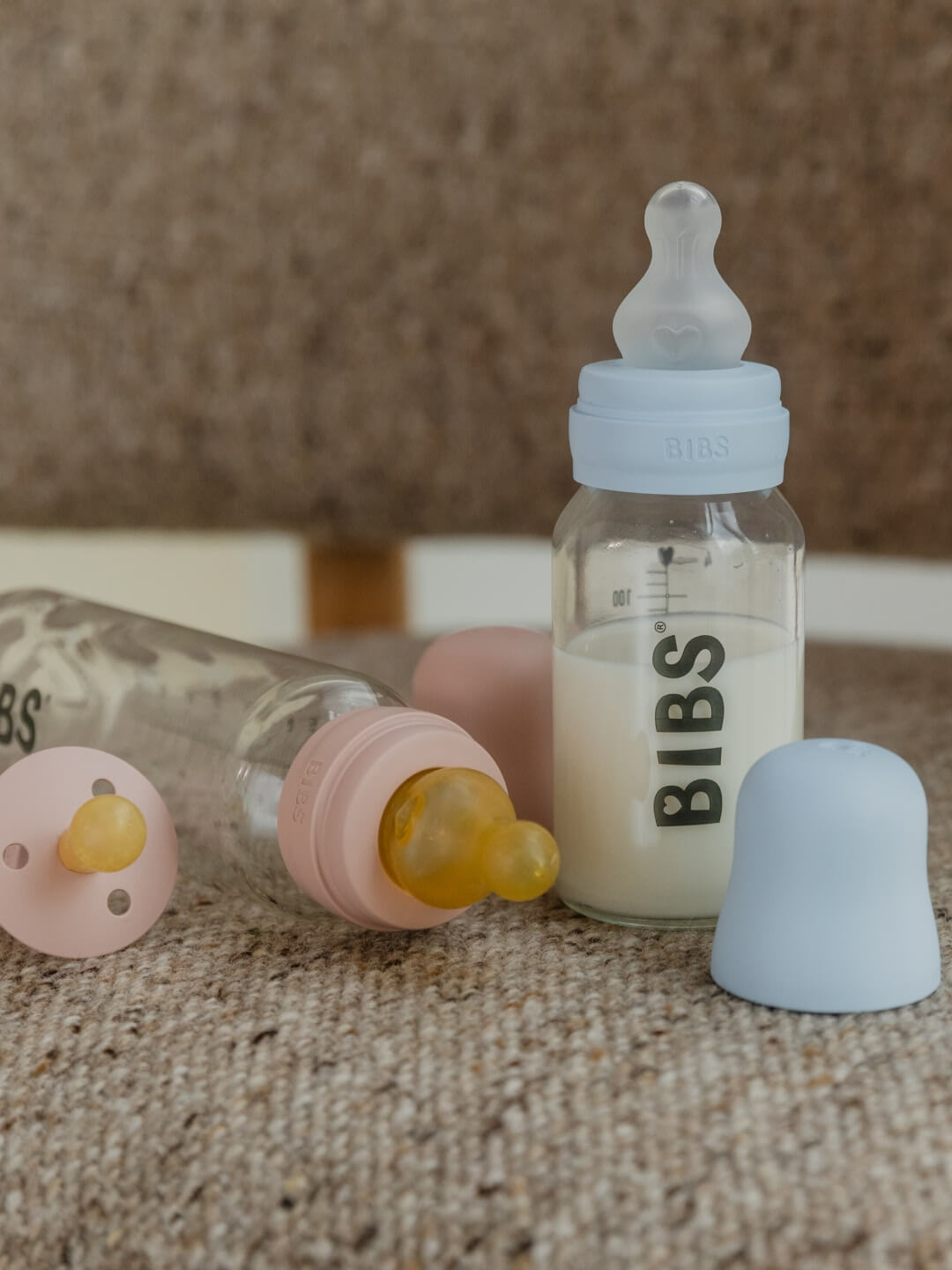
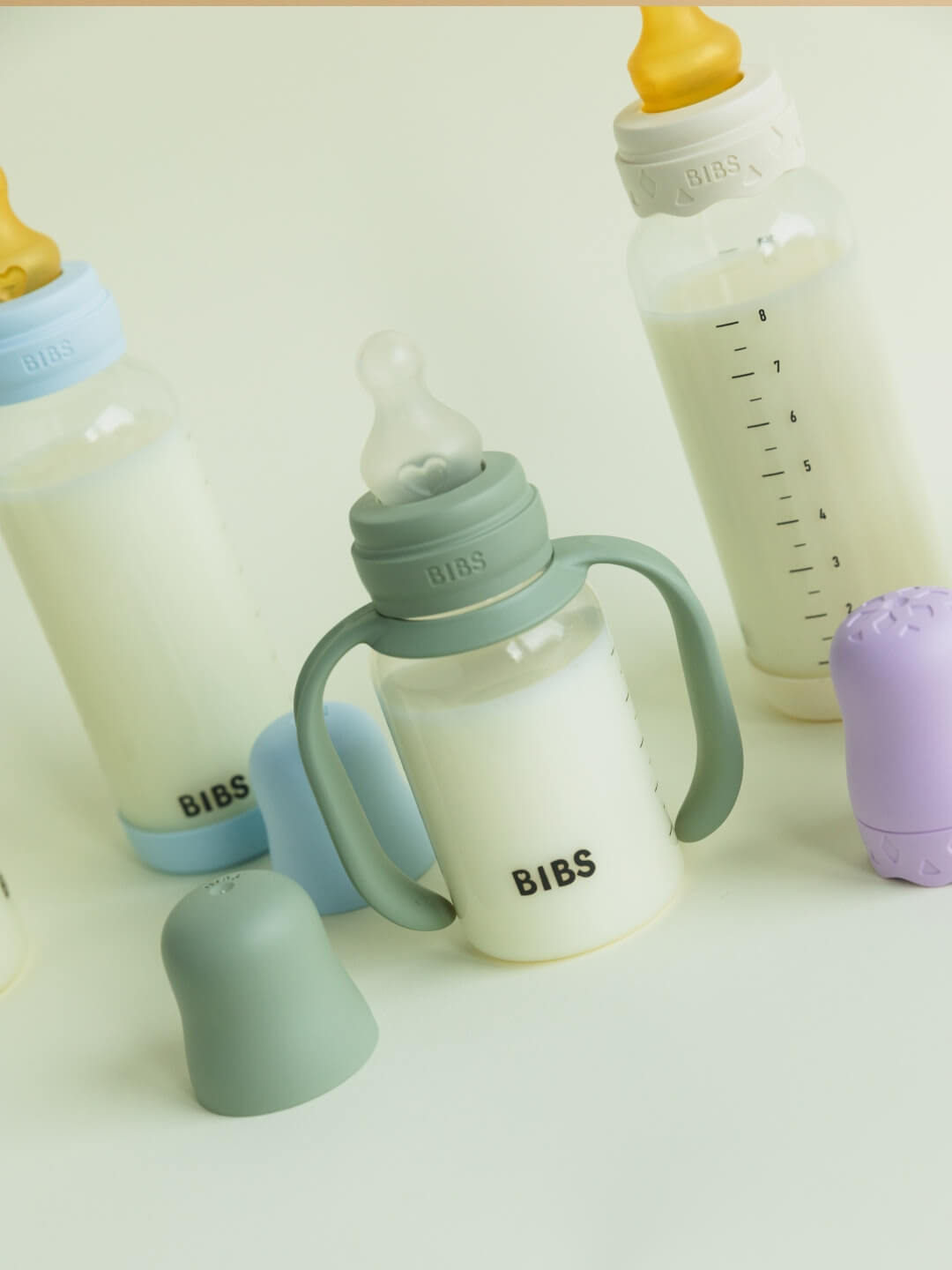
Latex Nipples are made from natural rubber latex and are extra soft, flexible, and closely resemble the feel of the breast. However, natural rubber latex may have a slight natural taste and smell, ages faster, and in rare cases may cause an allergic reaction in babies with a latex sensitivity.

Silicone Nipples are made from synthetic food-grade siicone and are latex-free, allergy-friendly, odorless, taste-neutral, heat-resistant, and highly durable. They allow for more sterilization methods and retain their shape longer but usually feel slightly firmer and less elastic than latex.
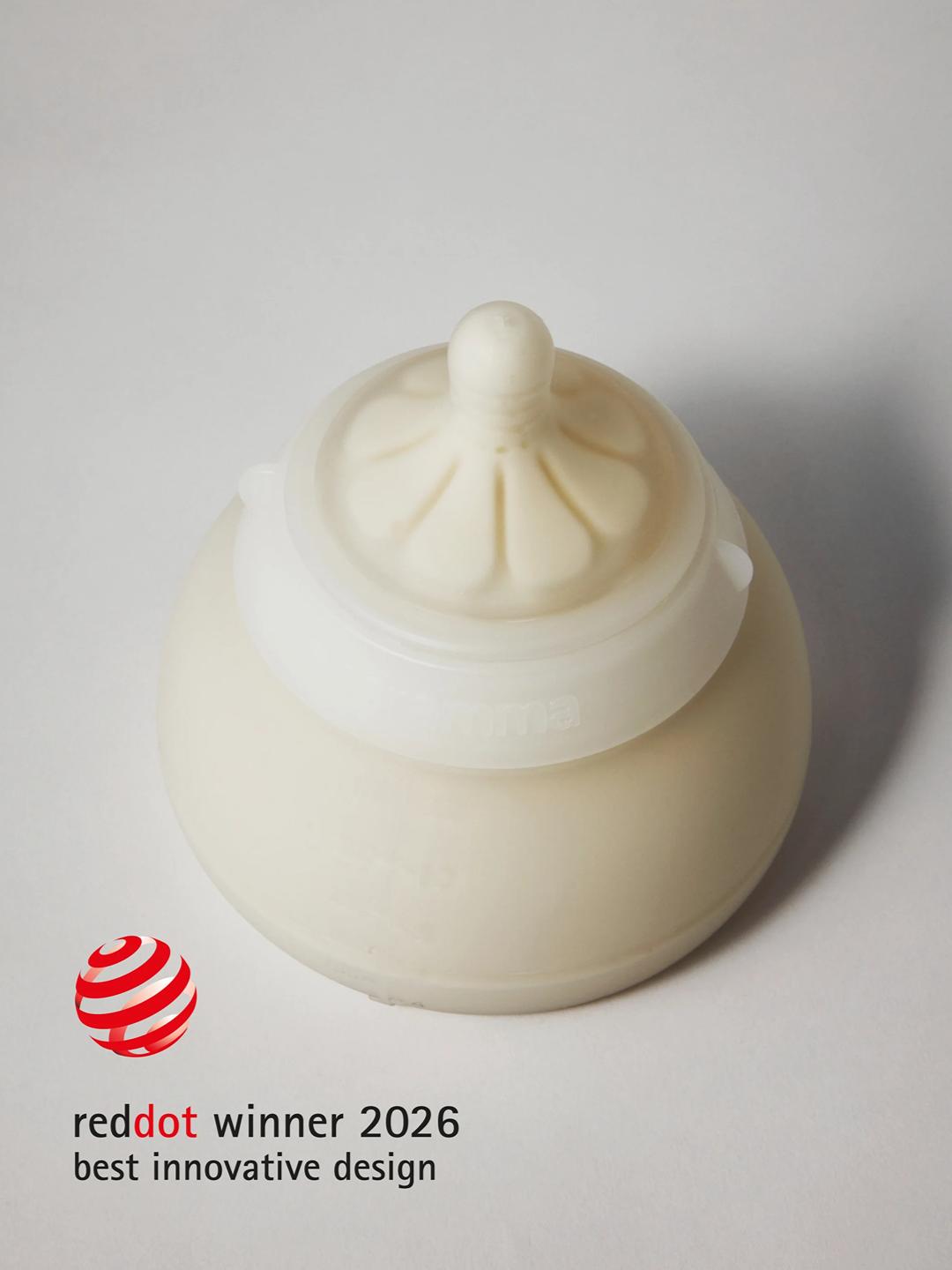
Neither material is universally better, the right choice depends on your baby’s preference.
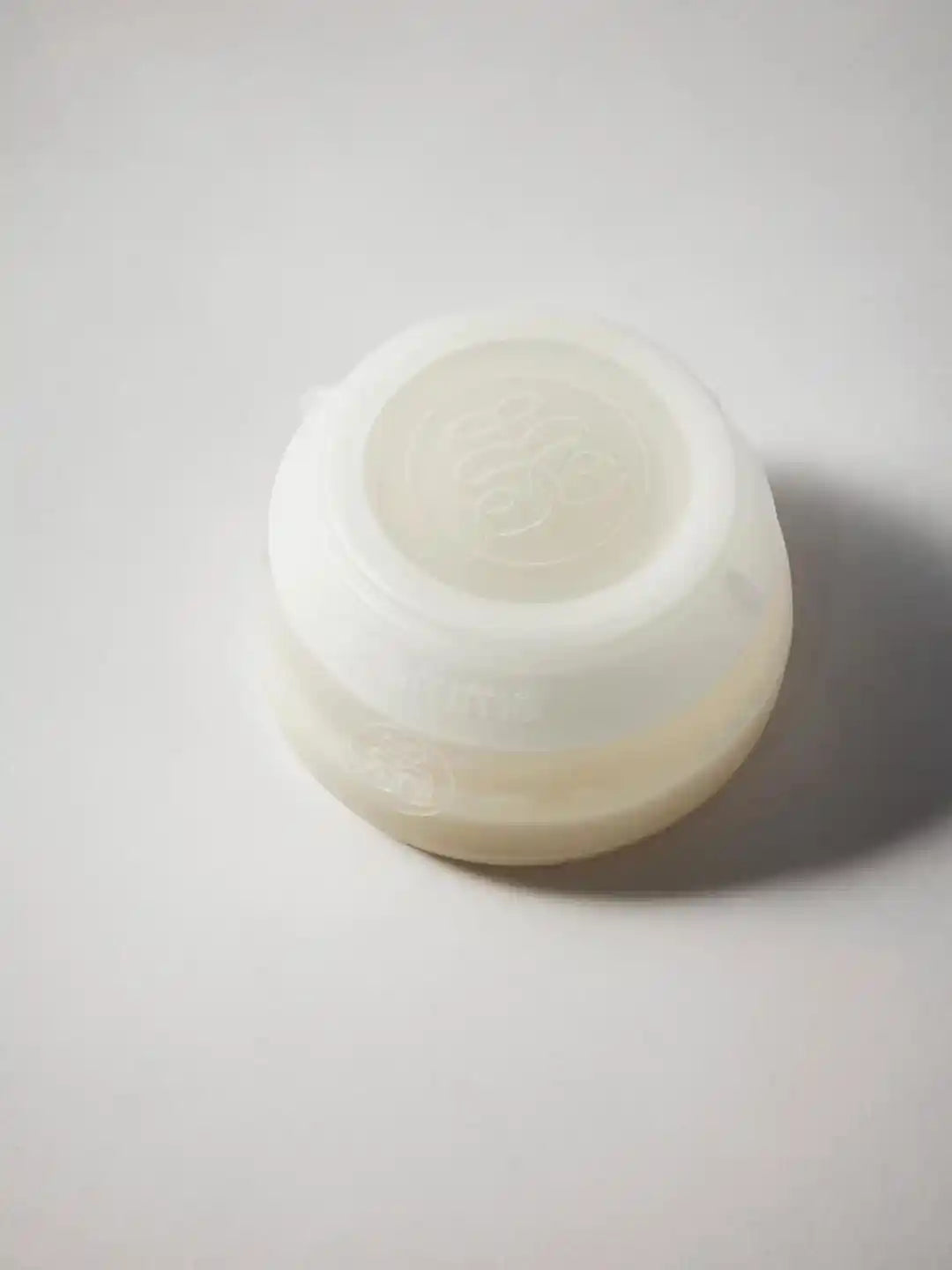
We recommend that you replace our pacifiers every 4-6 weeks for safety and hygienic reasons - no matter the material.
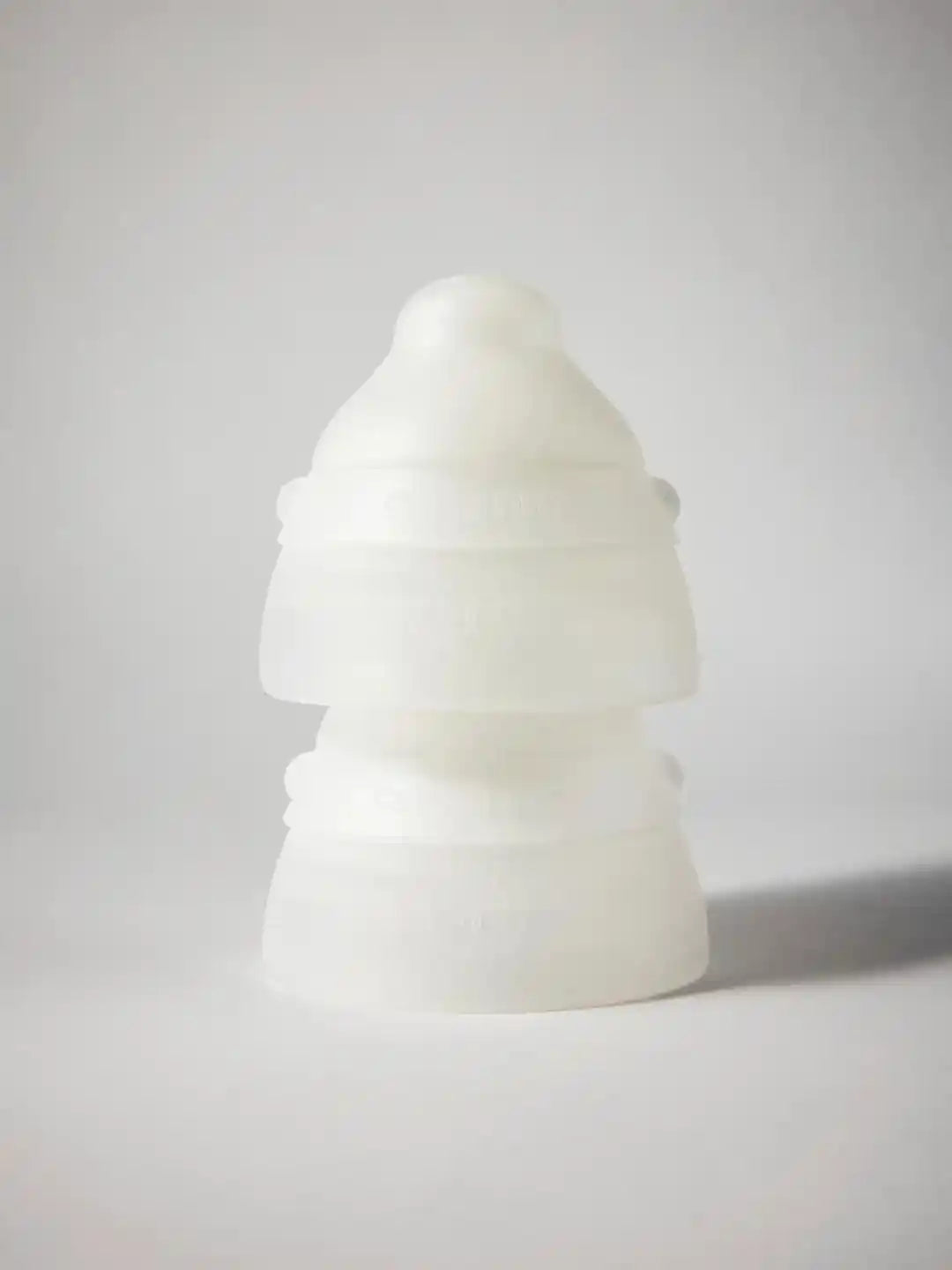
Which bottle material to choose: Glass or Plastic
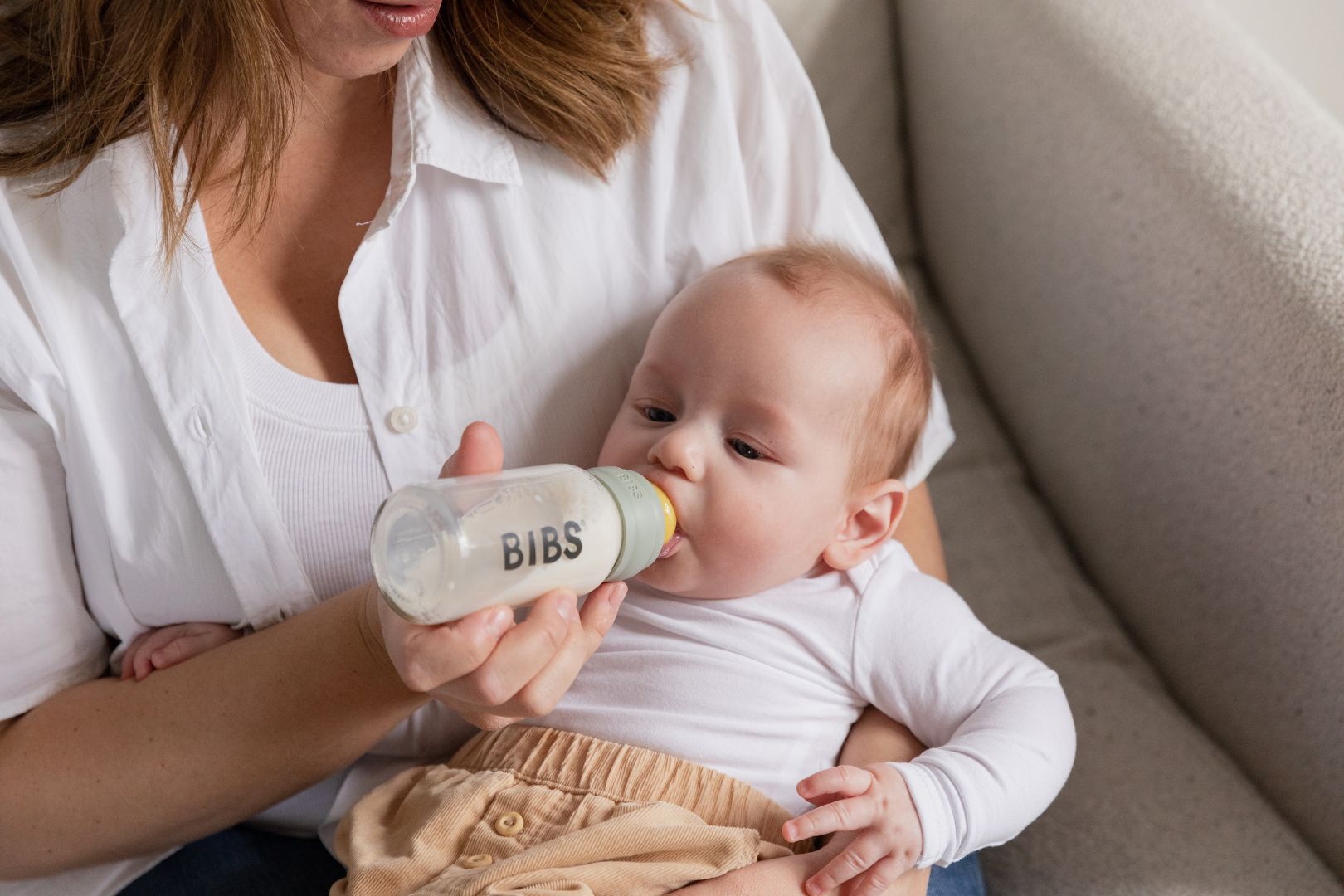
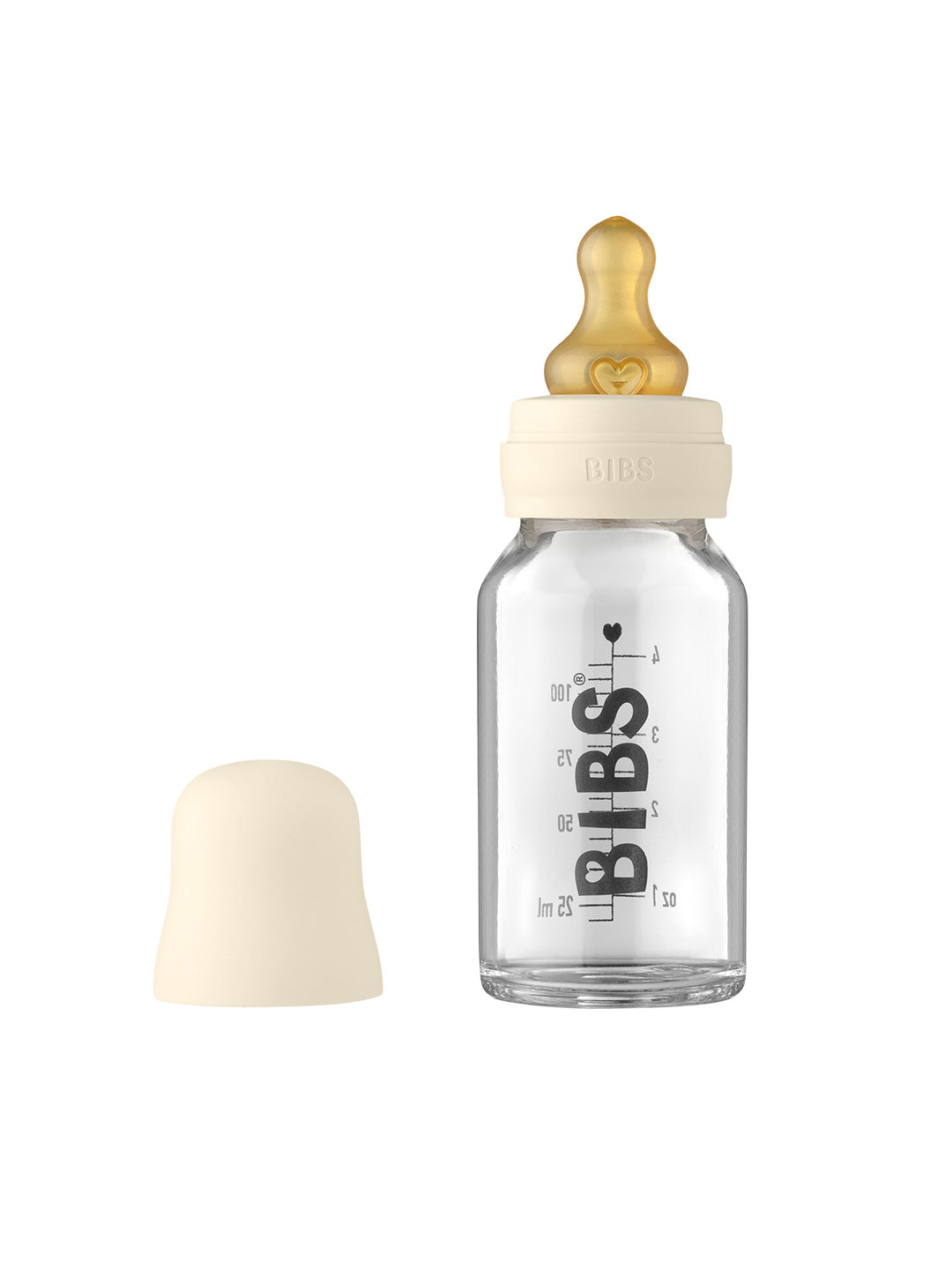
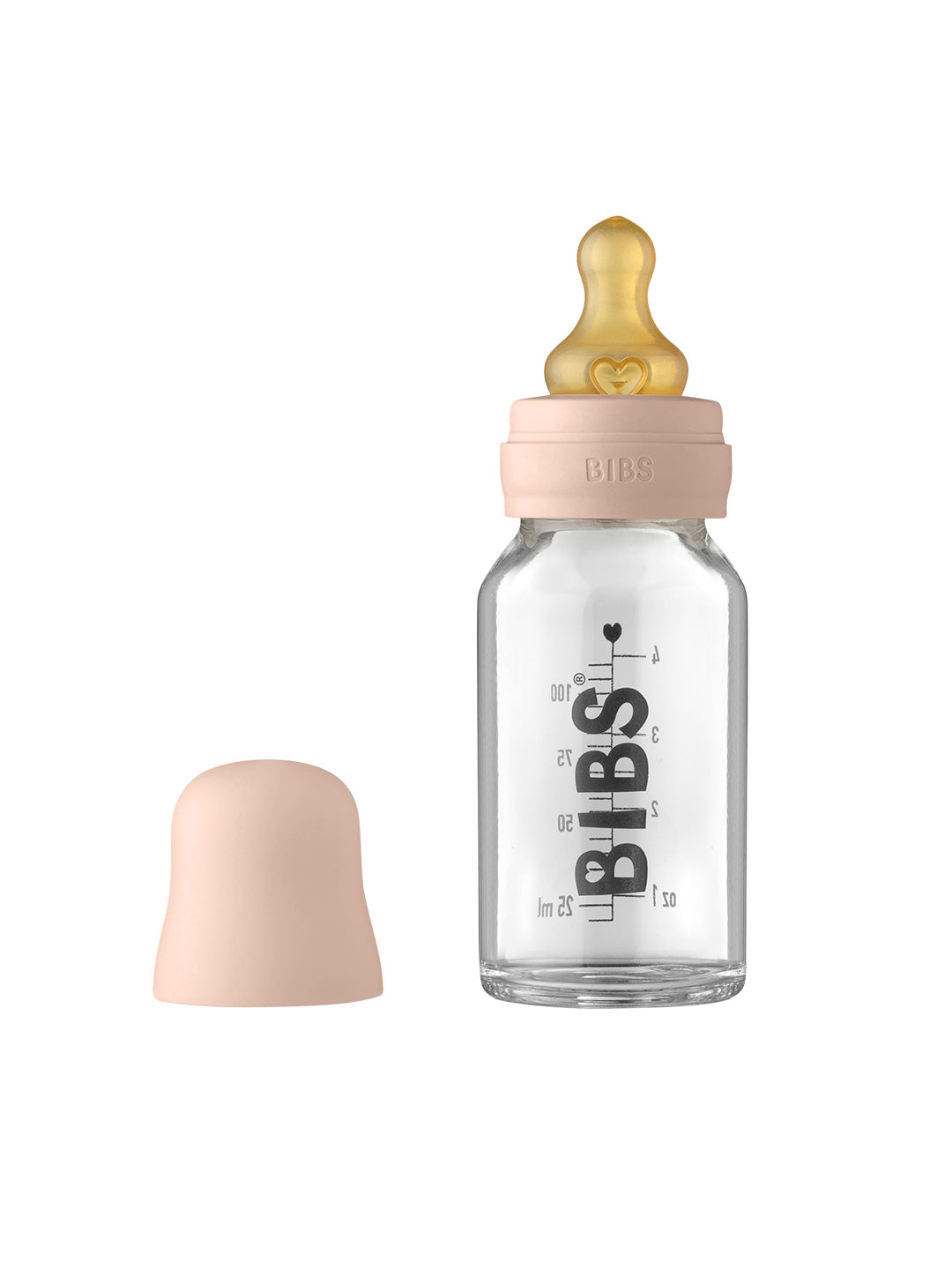
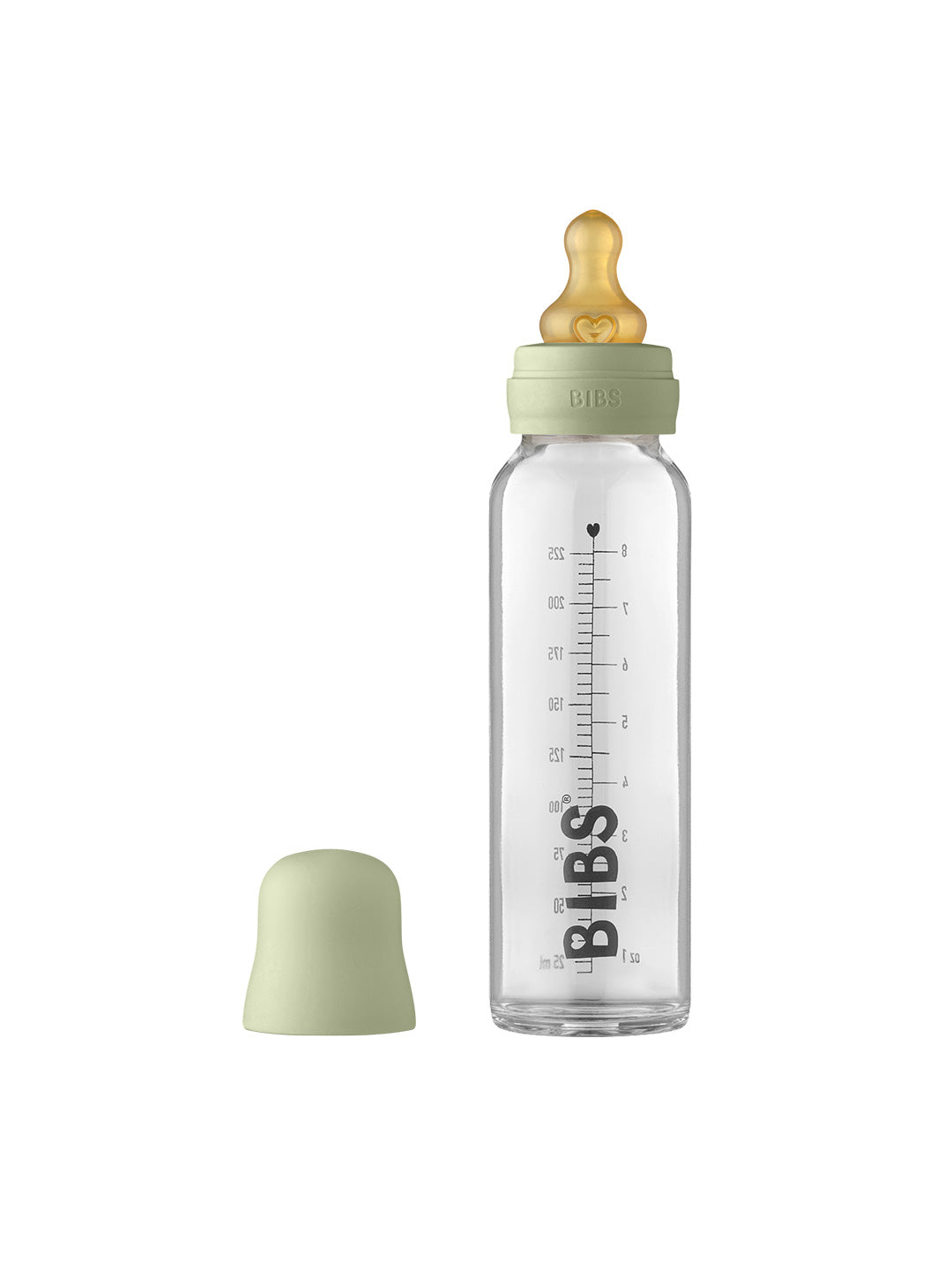
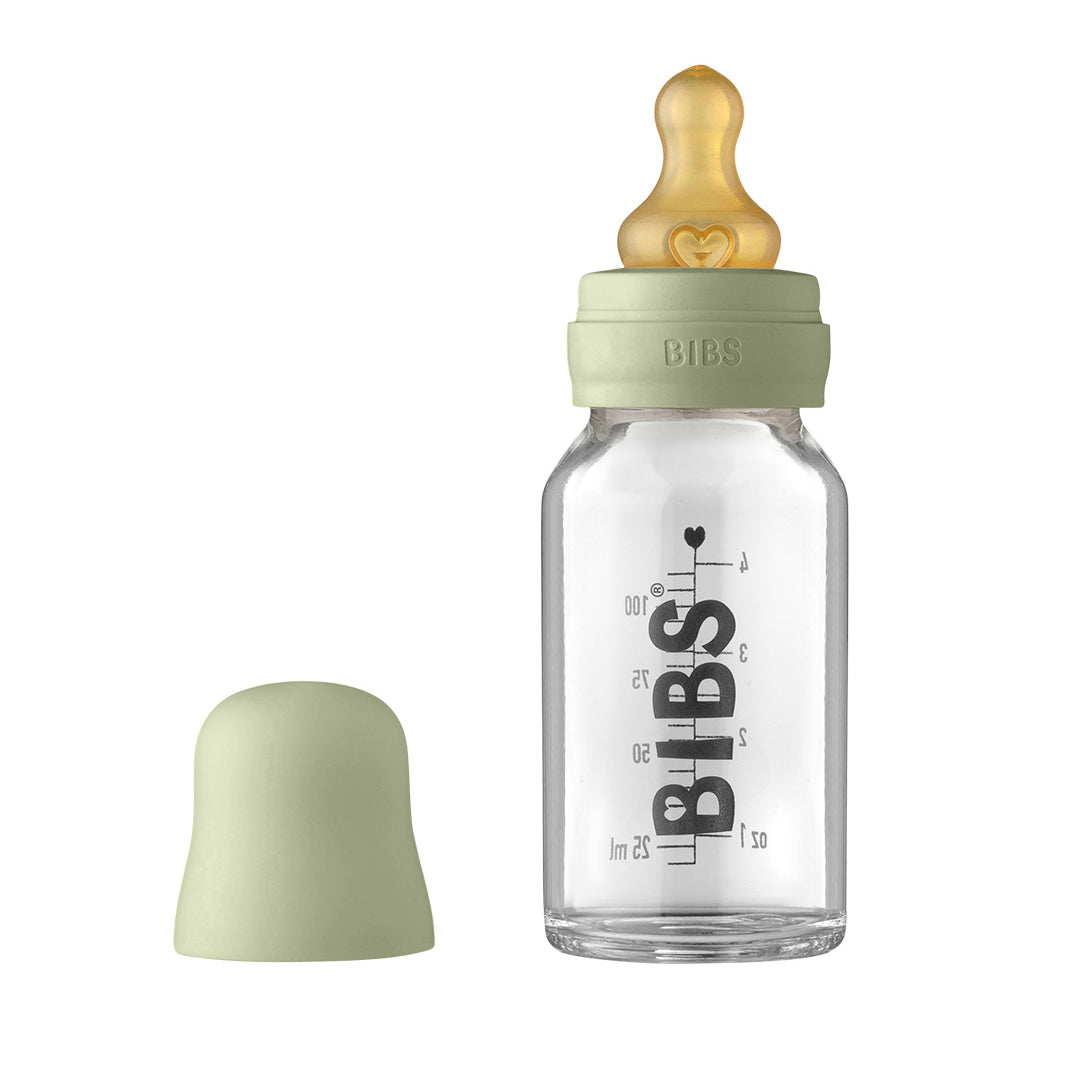
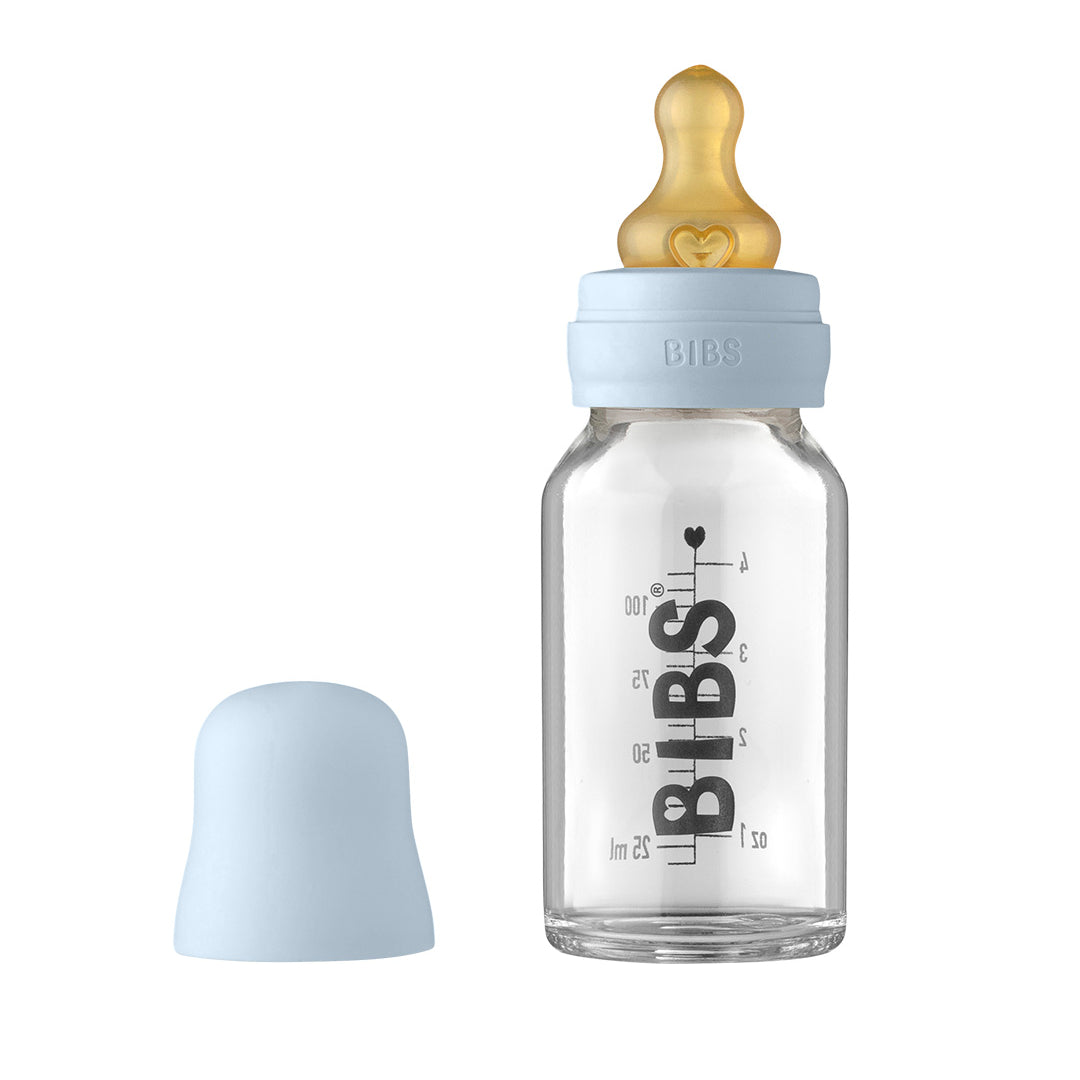
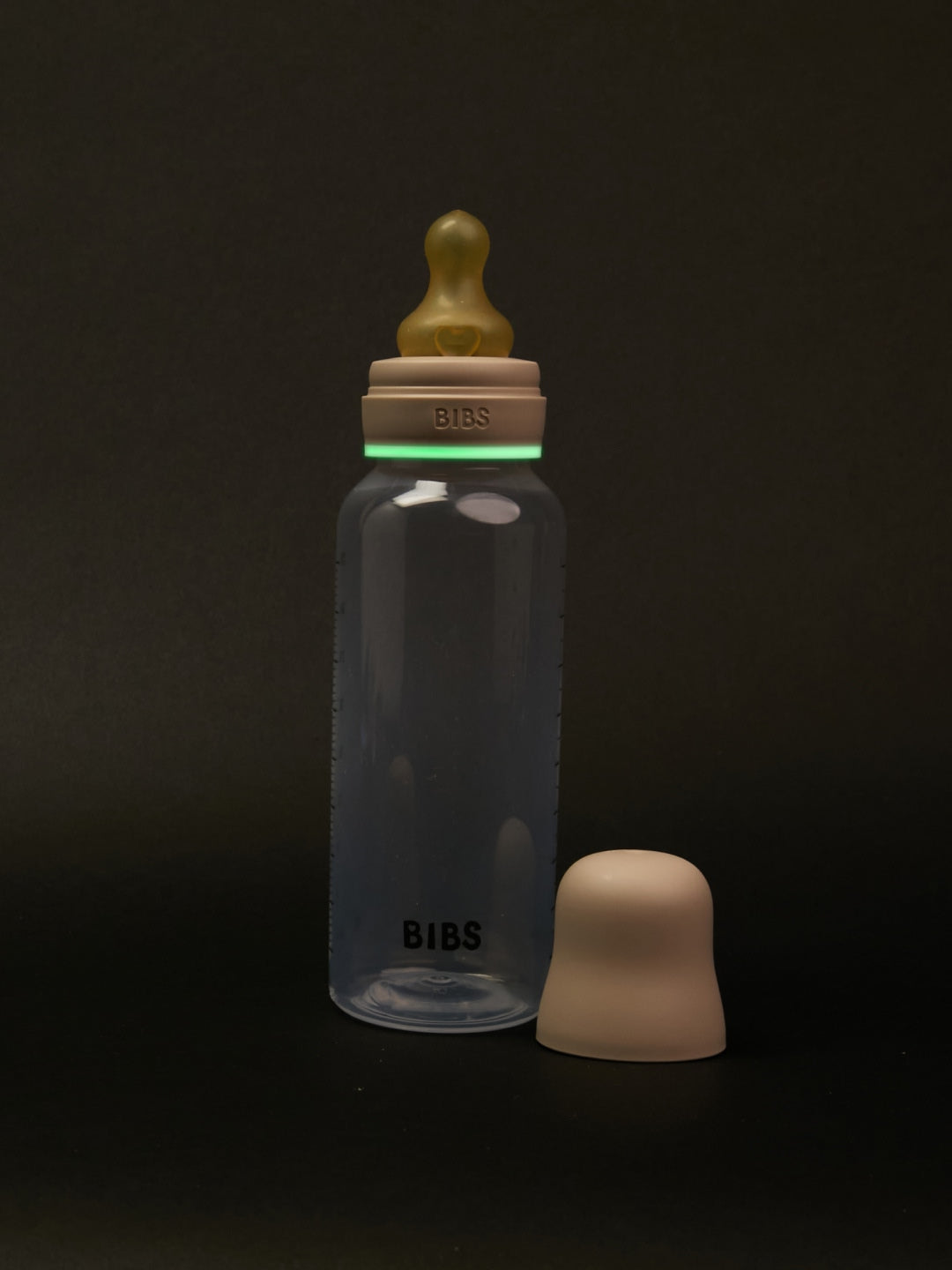
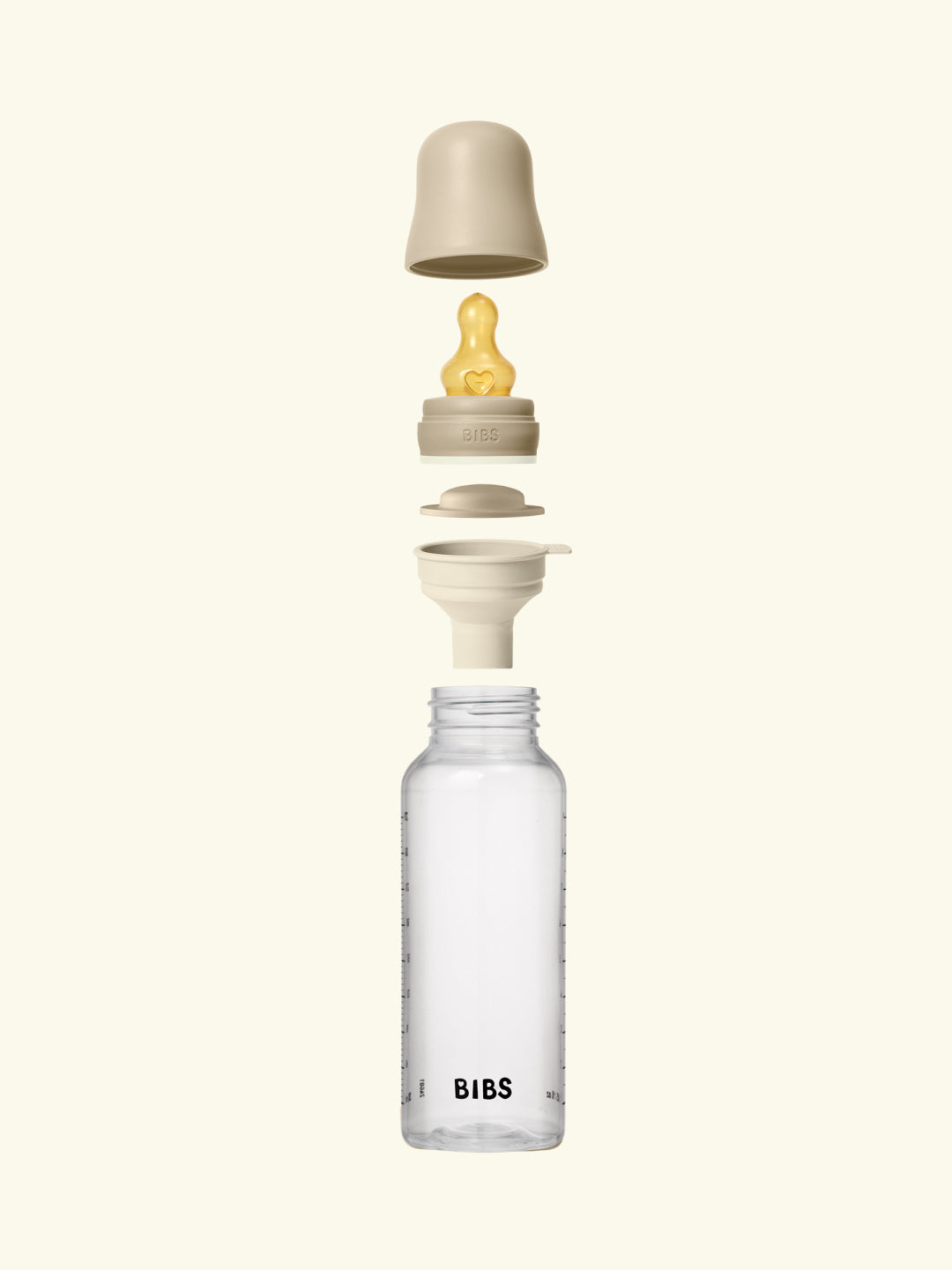
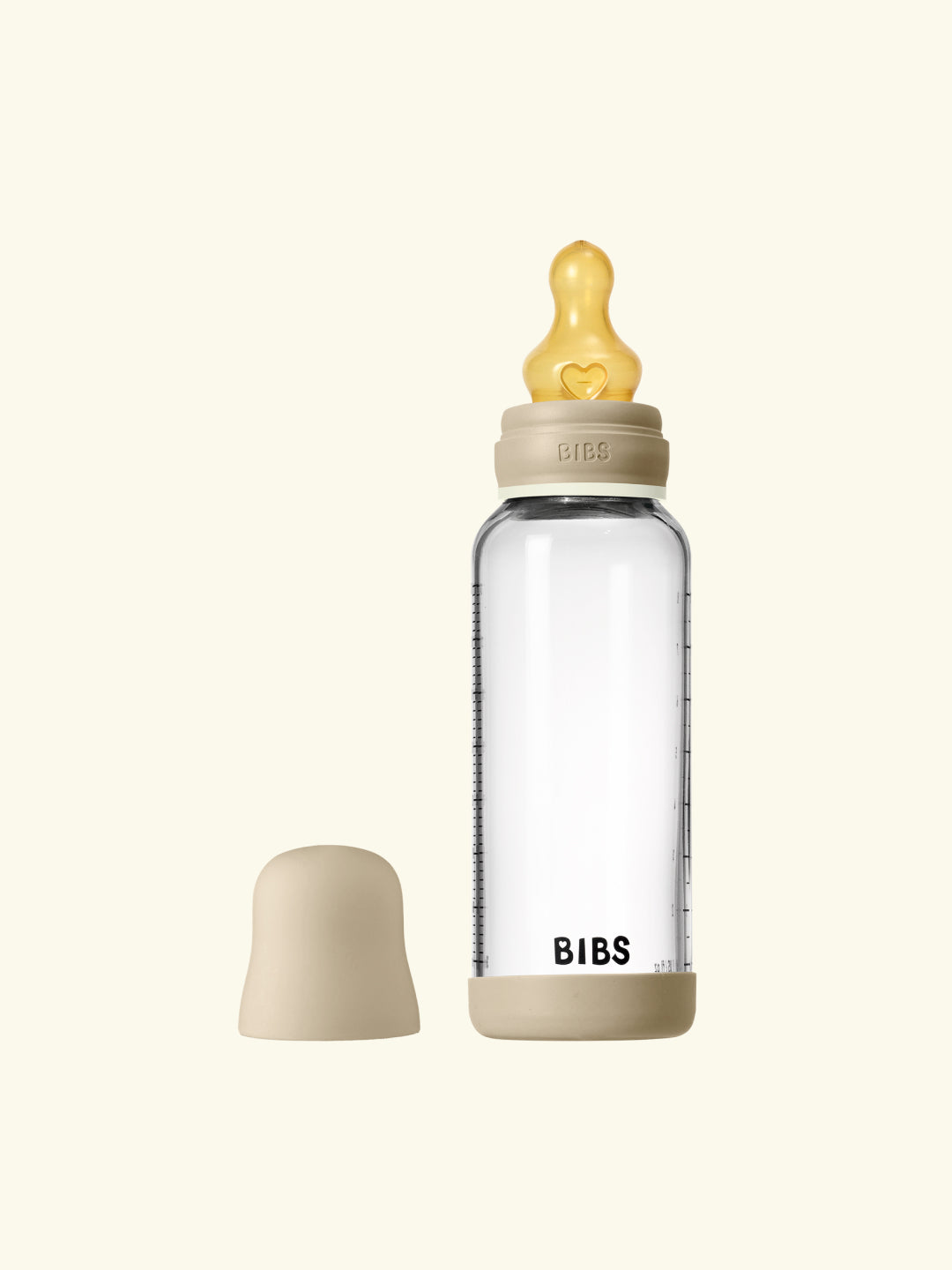
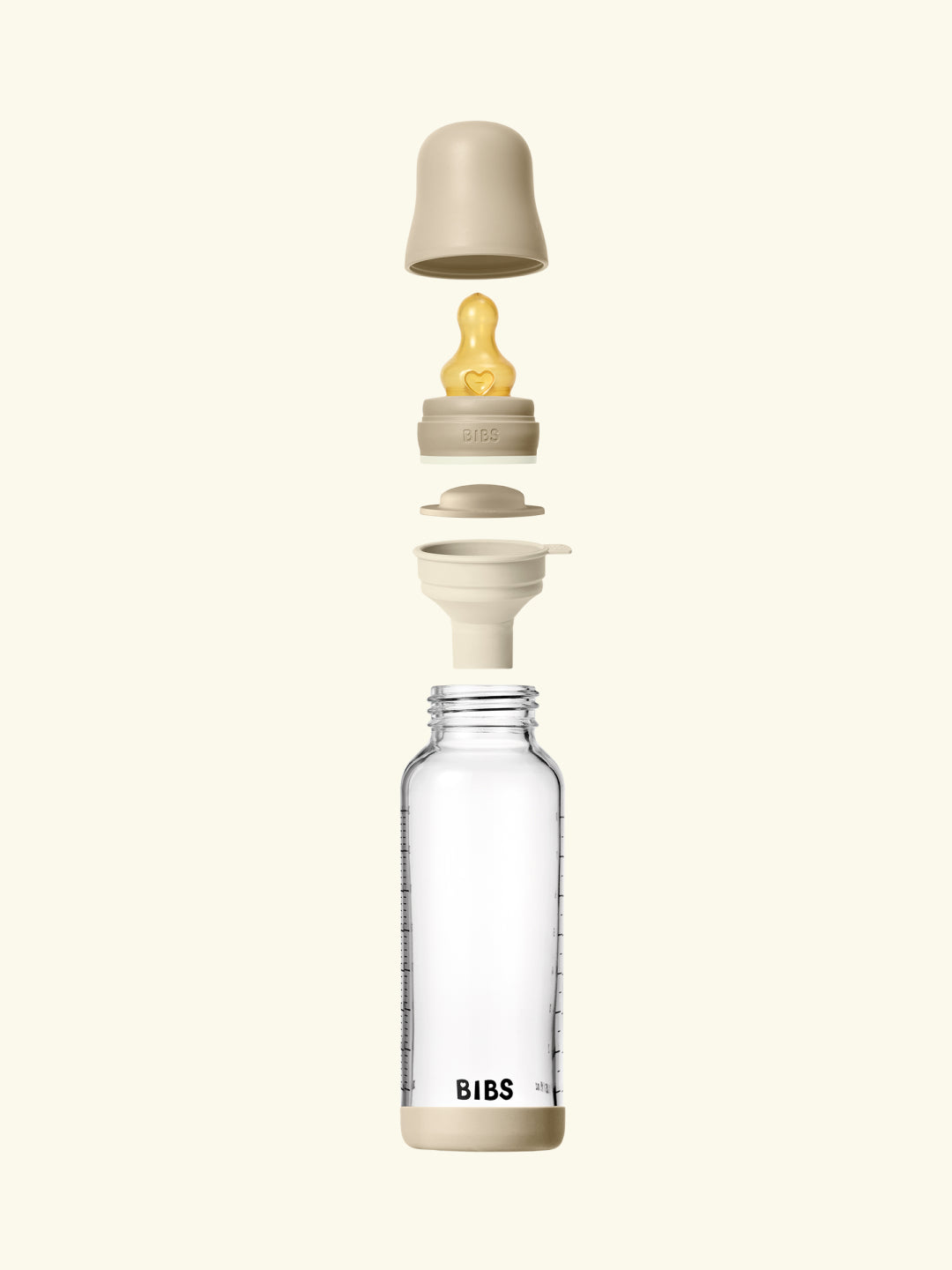
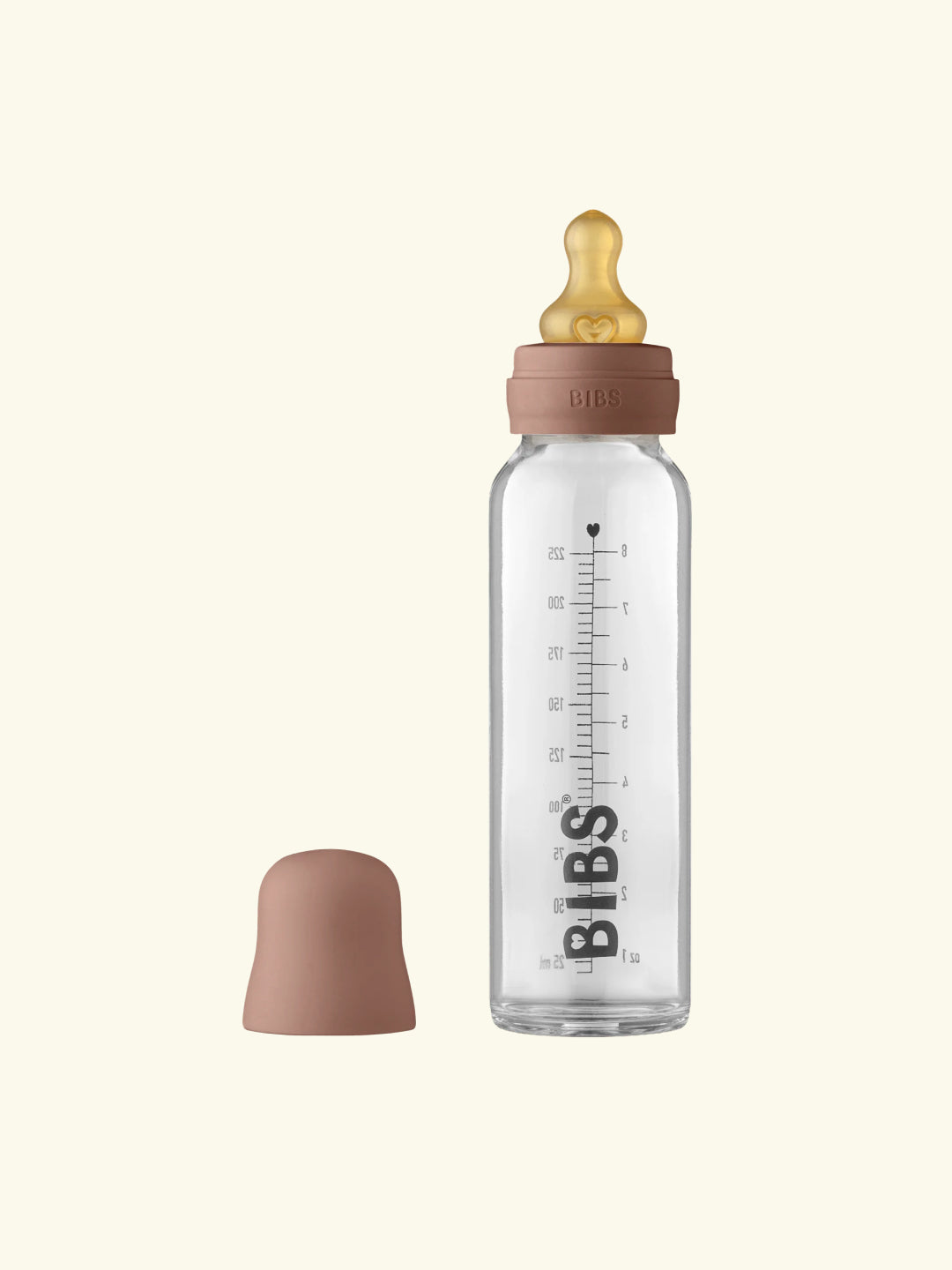
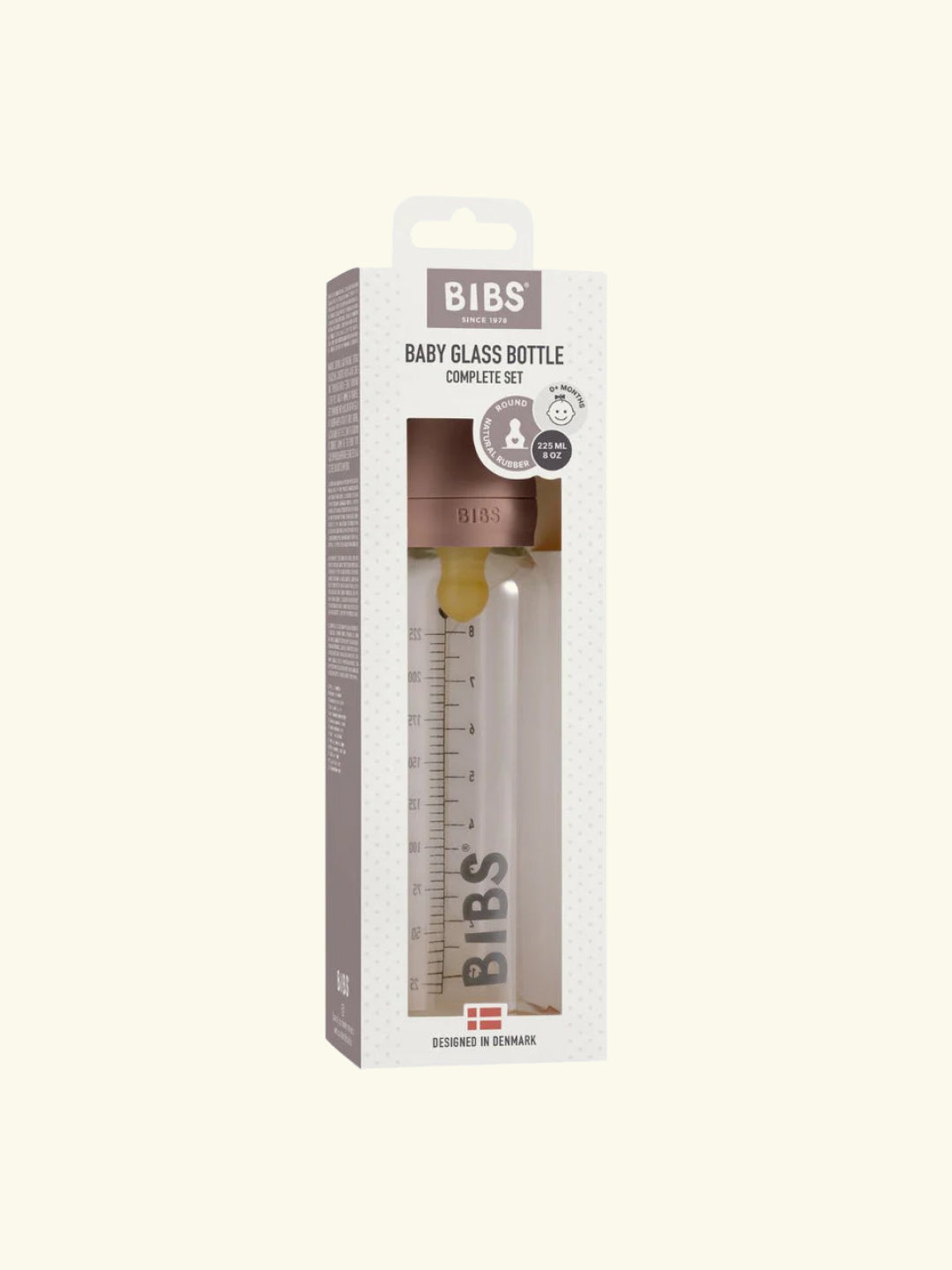
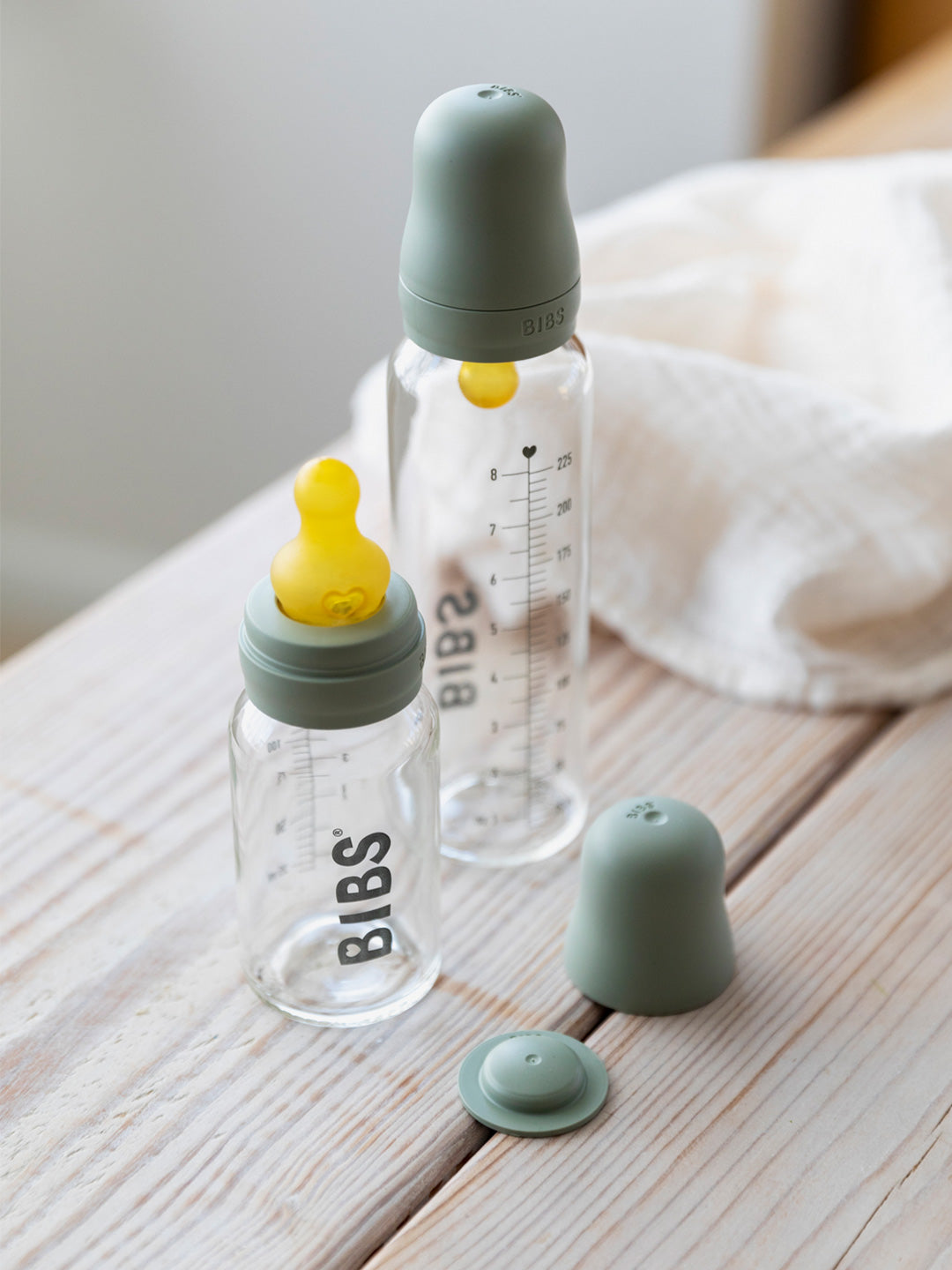
Glass bottles are a great choice thanks to their long-term durability. Free from harmful chemicals, they do an excellent job of keeping their “like-new” appearance over time since they rarely scratch, stain, or absorb odors. BIBS glass bottles are made from lab-grade borosilicate glass, hich is extremely durable and heat resistant.

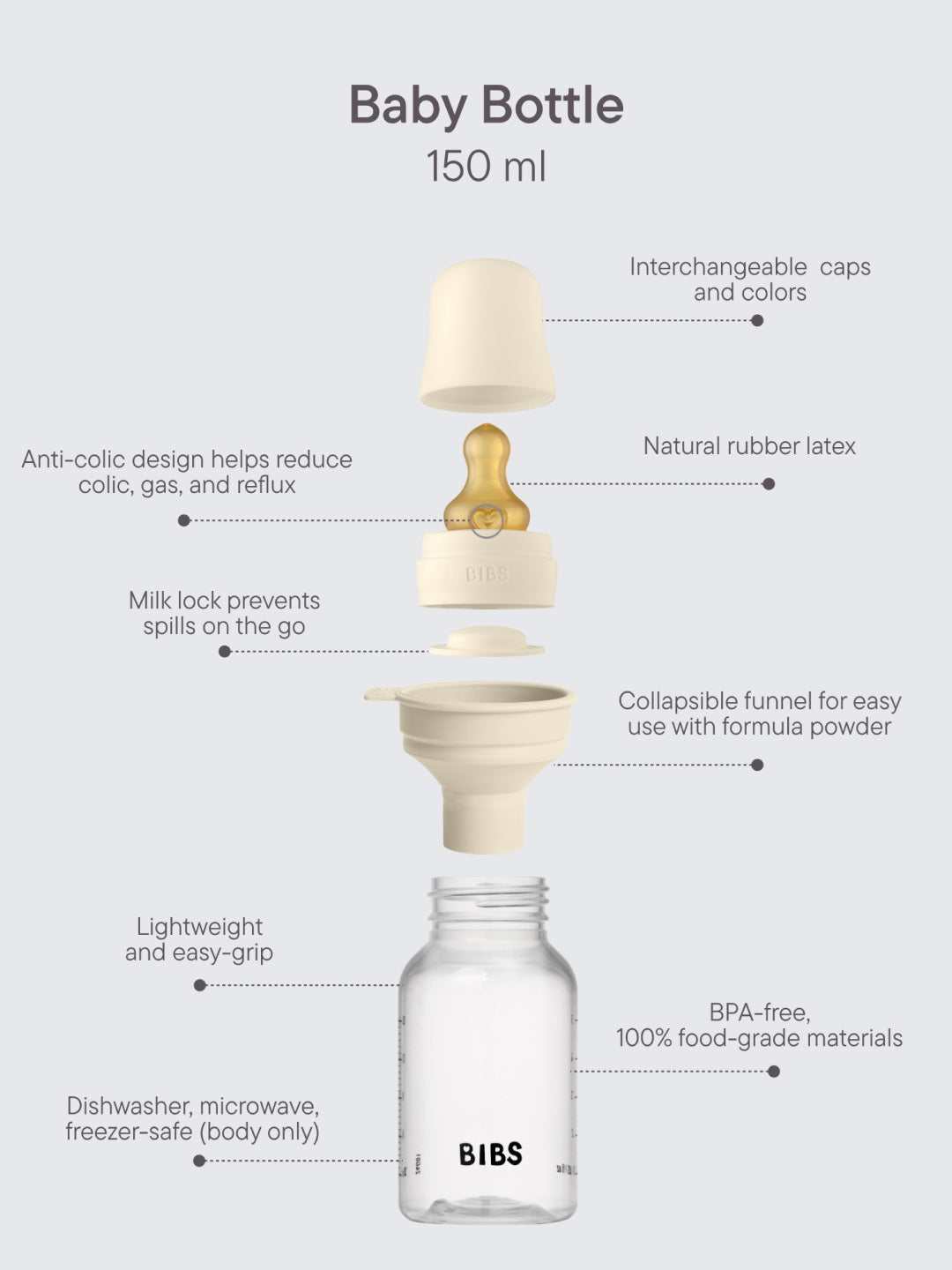
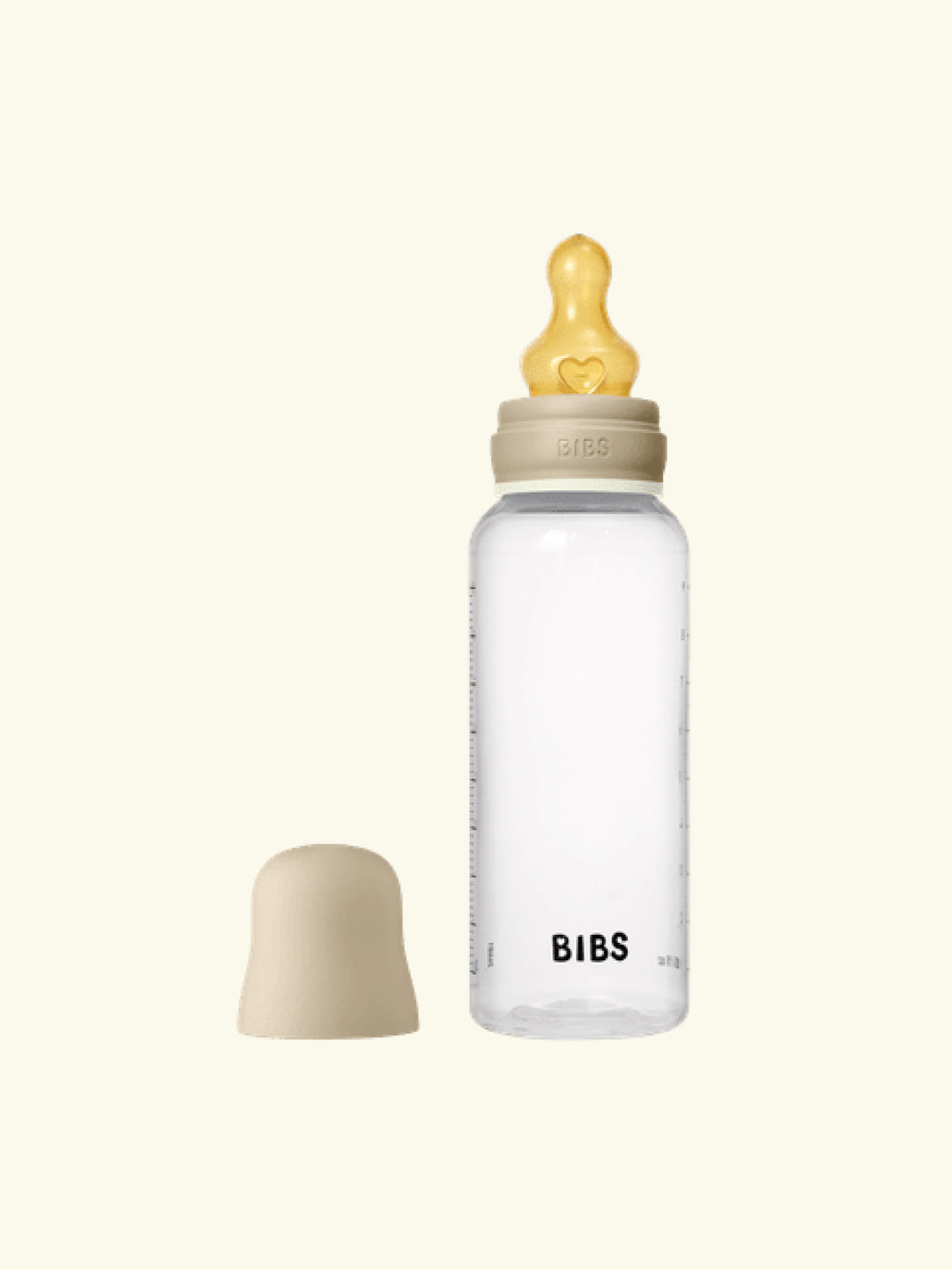
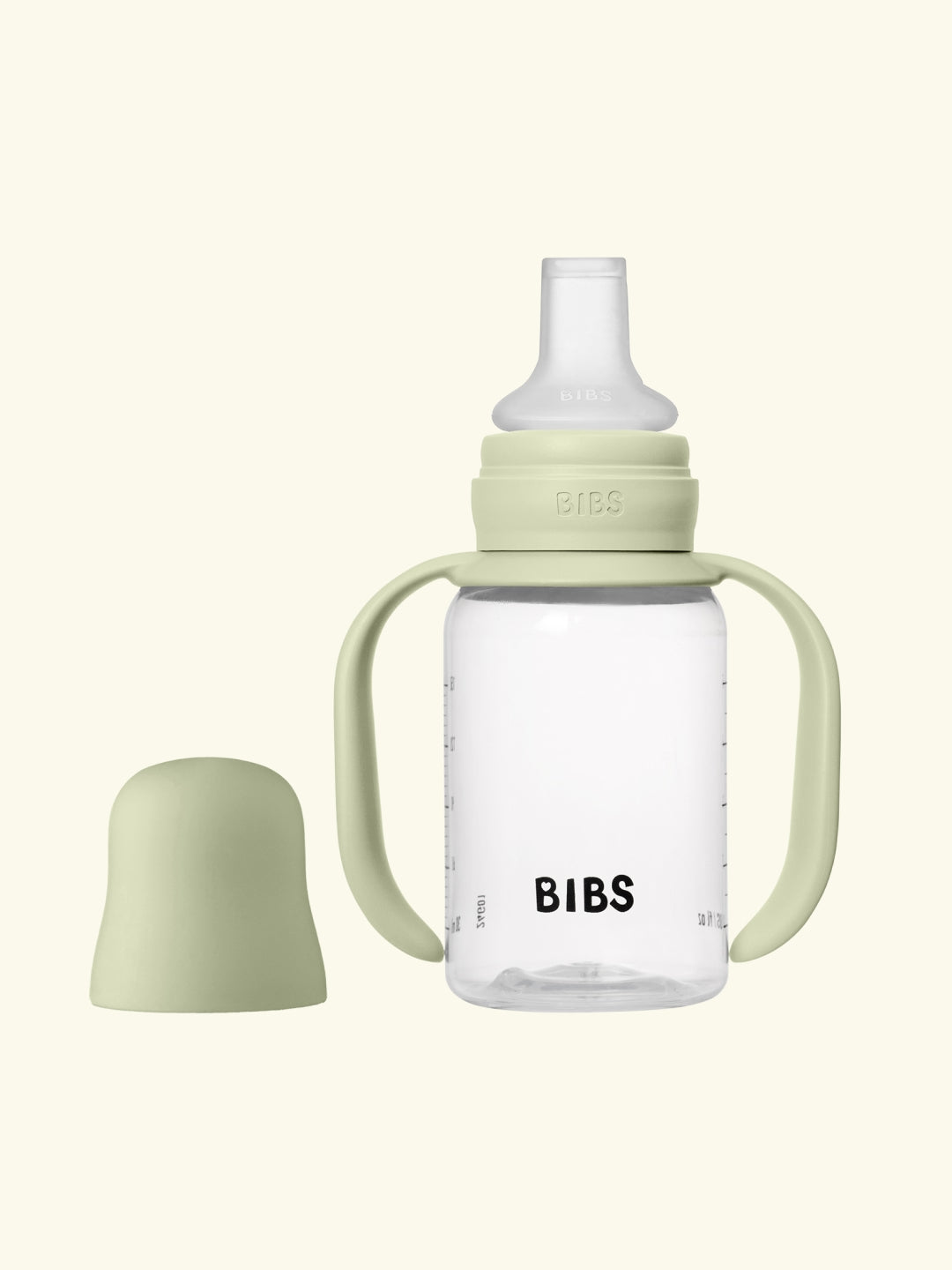
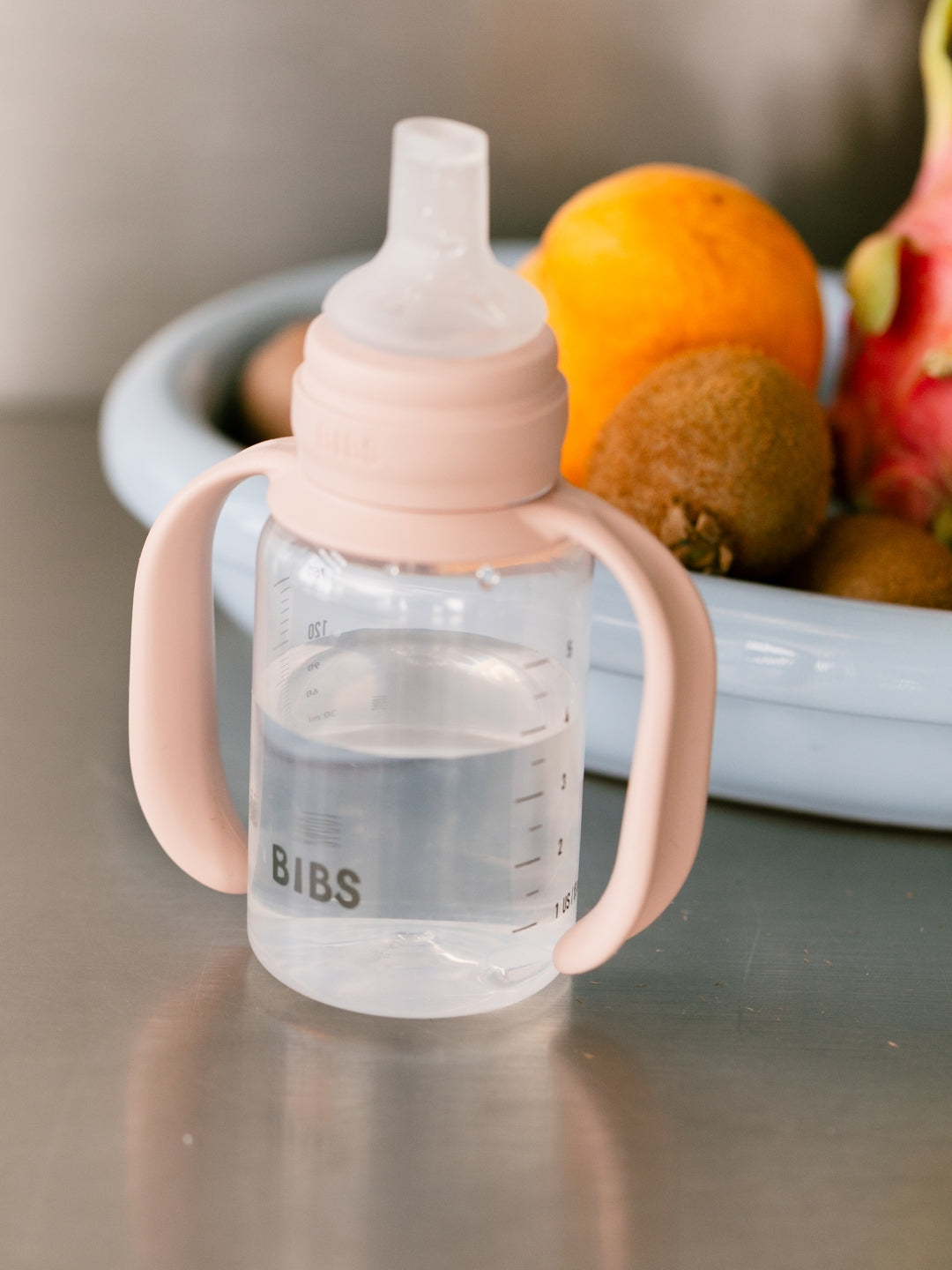
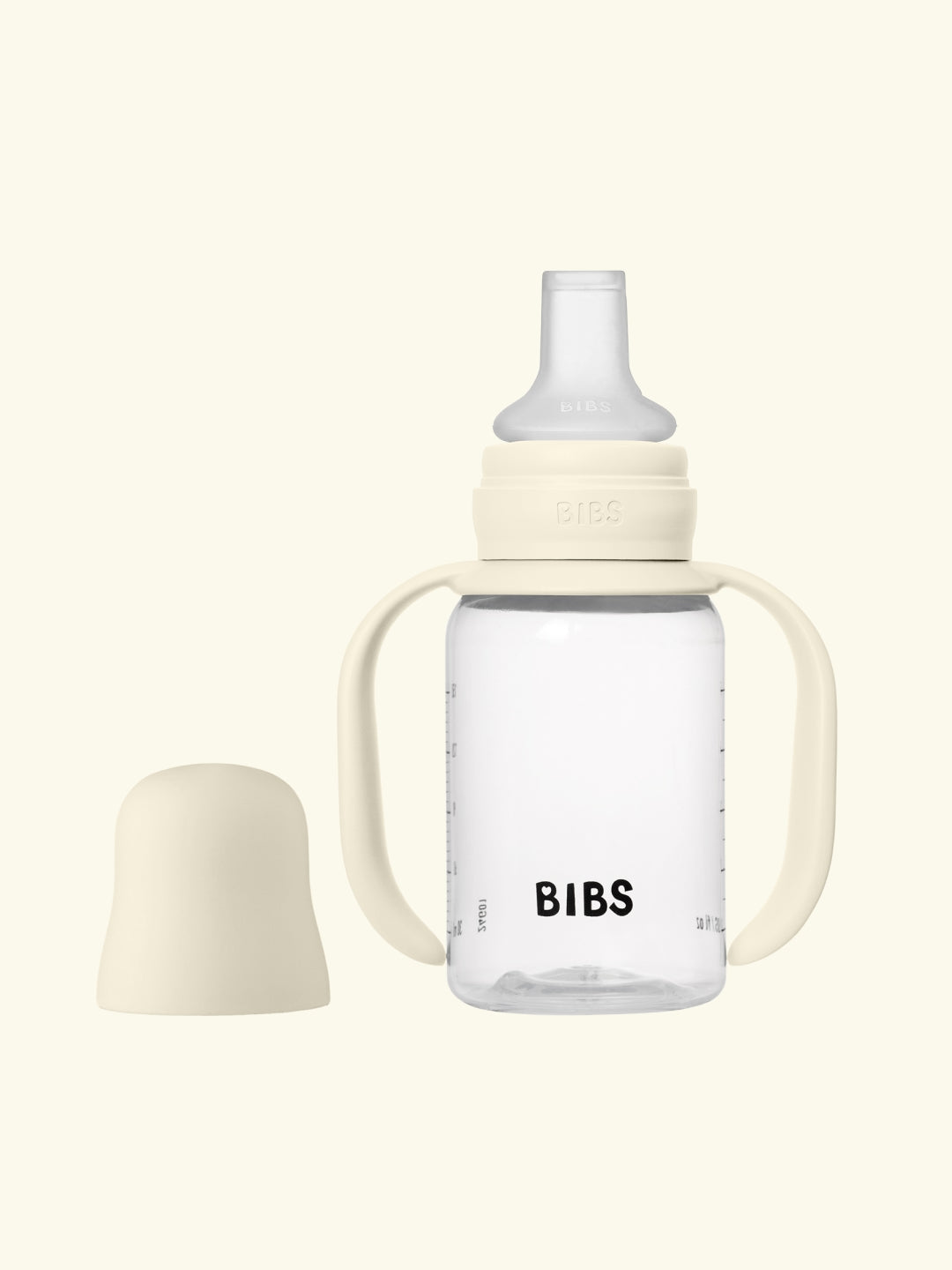
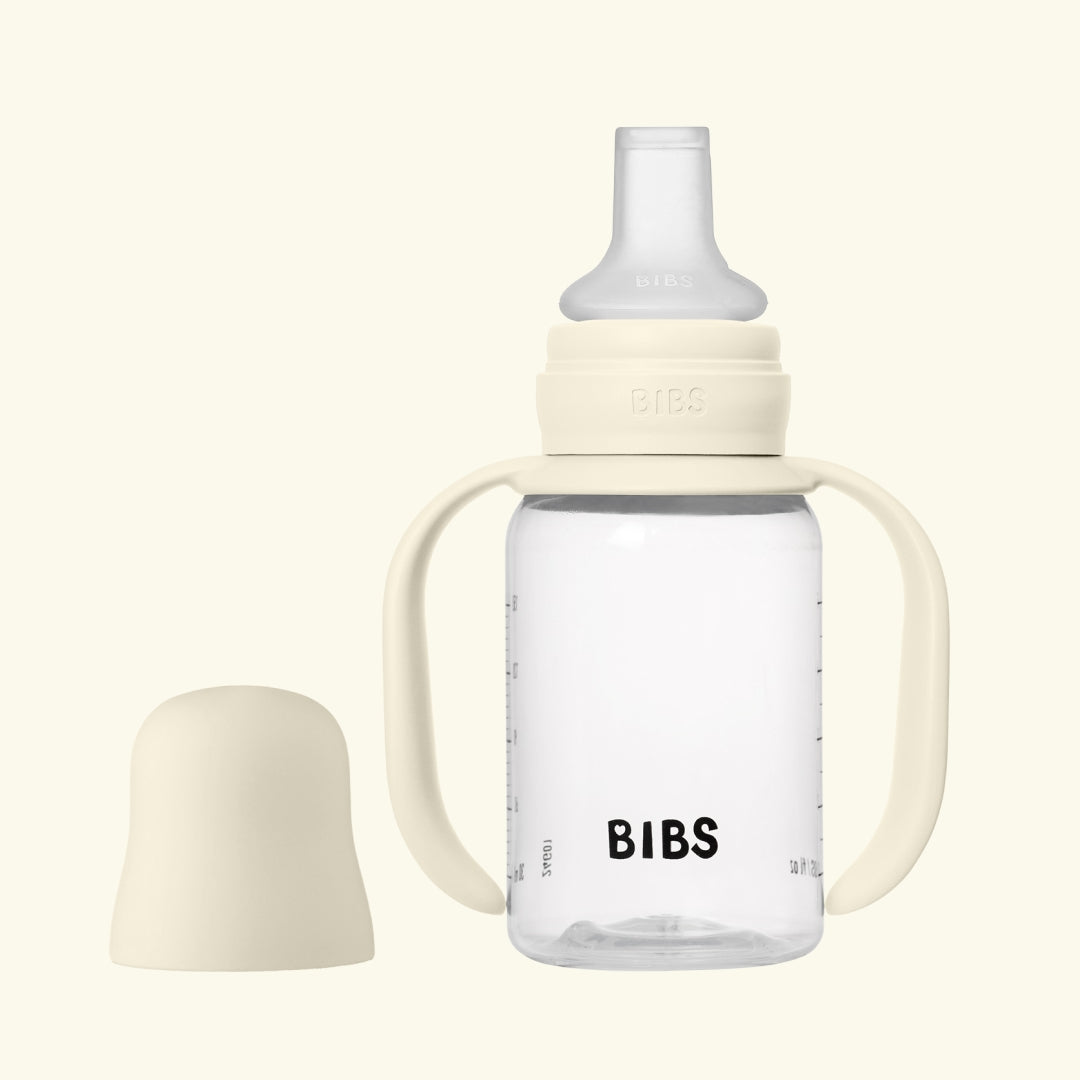
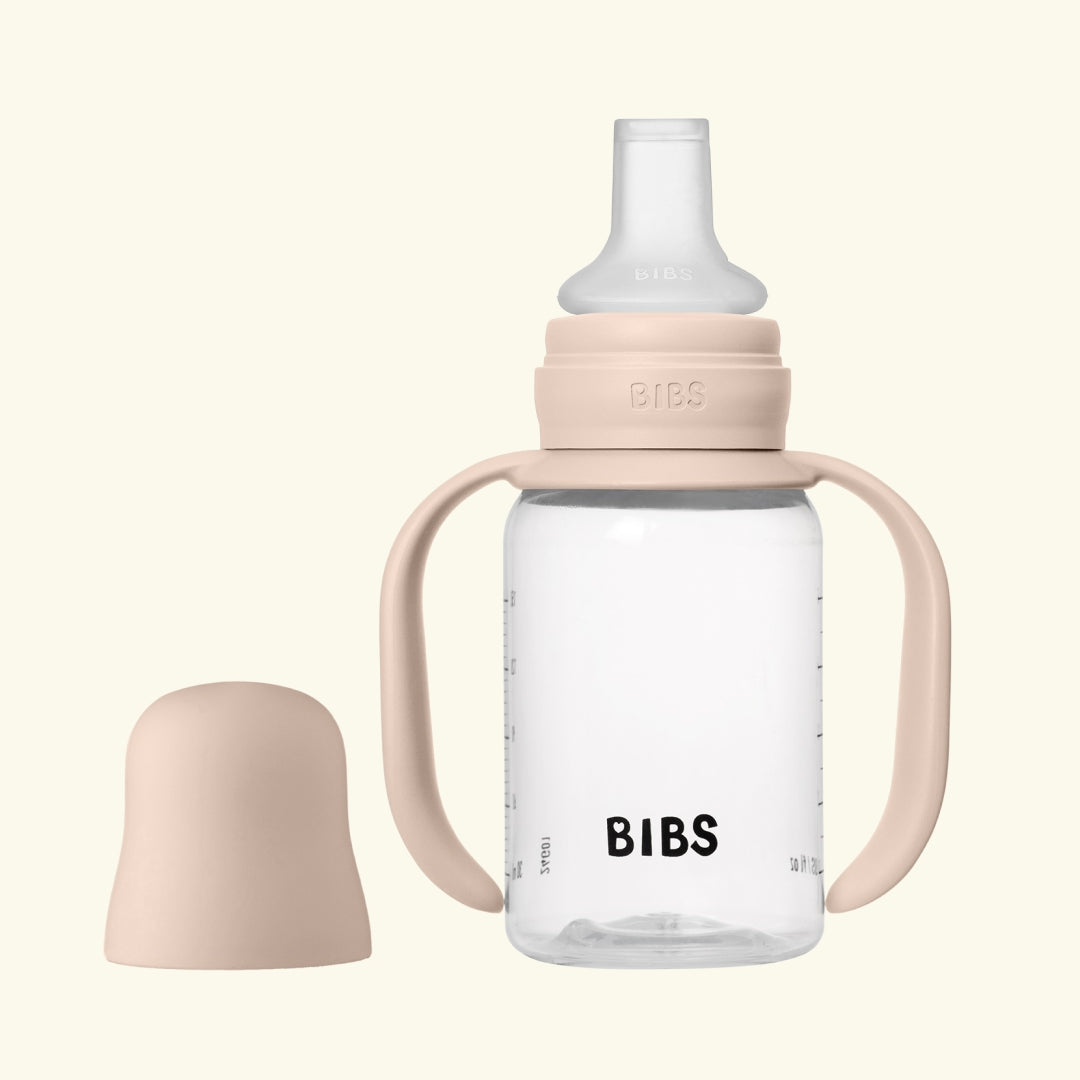
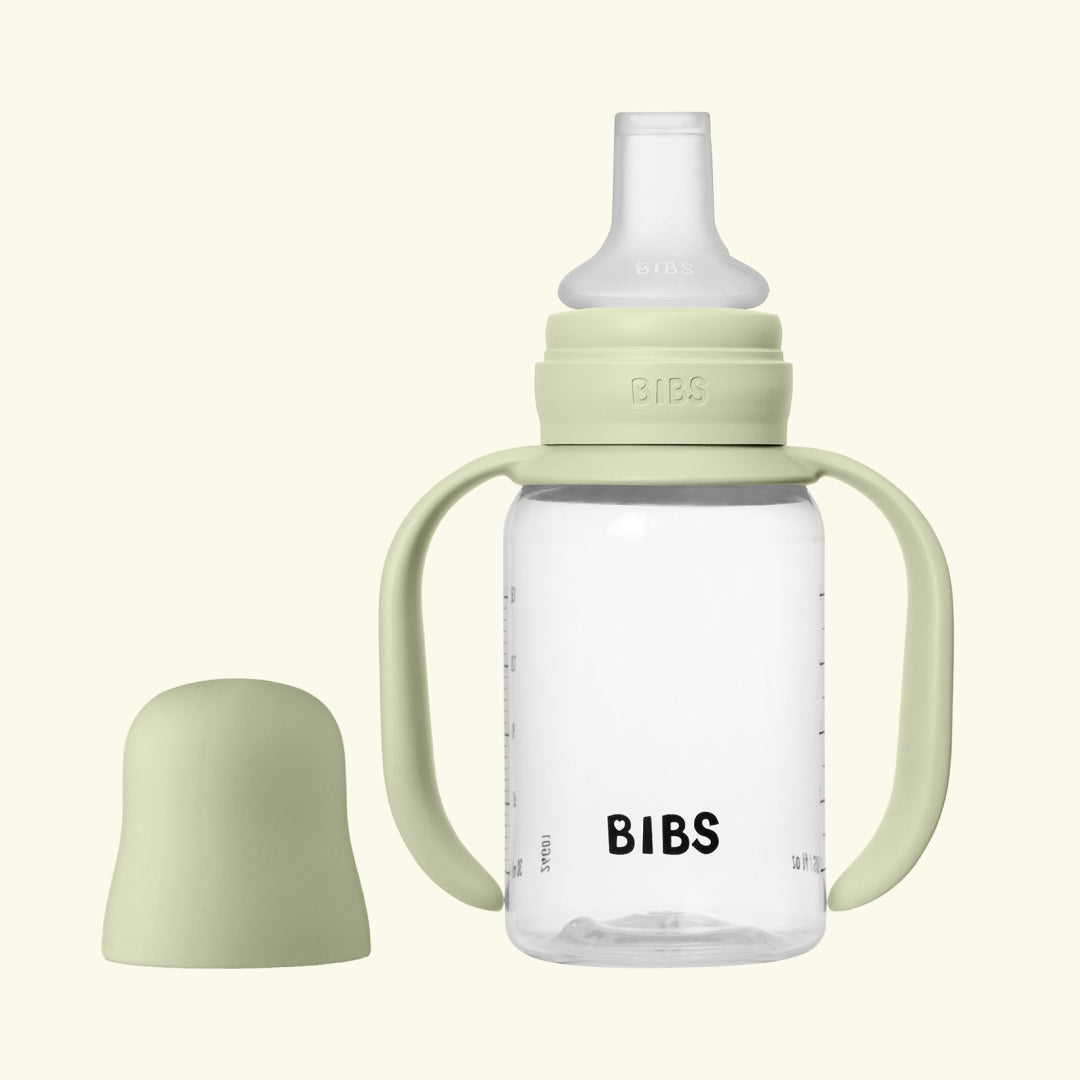
Plastic bottles are another common choice for good reason, thanks to their convenience for everyday use. They are lightweight, durable, generally more affordable, and easy for little ones to grip. BIBS plastic bottles are BPA-free and made from 100% food-grade materials.

Ultimately, the right choice depends on your family’s individual needs and preferences. Some may families find it helpful to keep both versions on hand for different scenarios, whether at home, for travel, or at daycare.

How to choose the best baby bottle

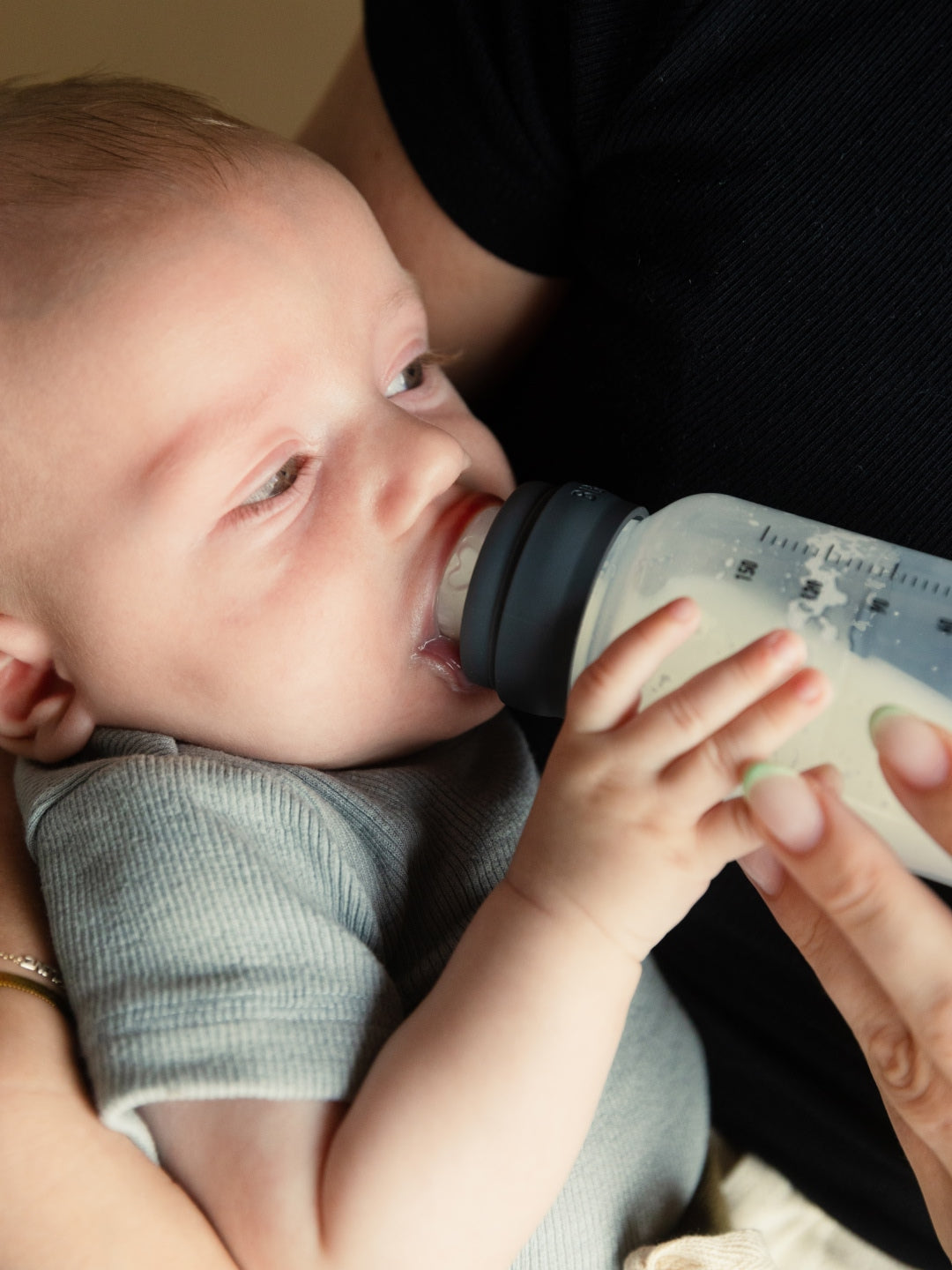
Whether you’re breastfeeding, formula-feeding, or doing a mix of both, finding the right baby bottle can make all the difference.